


Cactus Skin
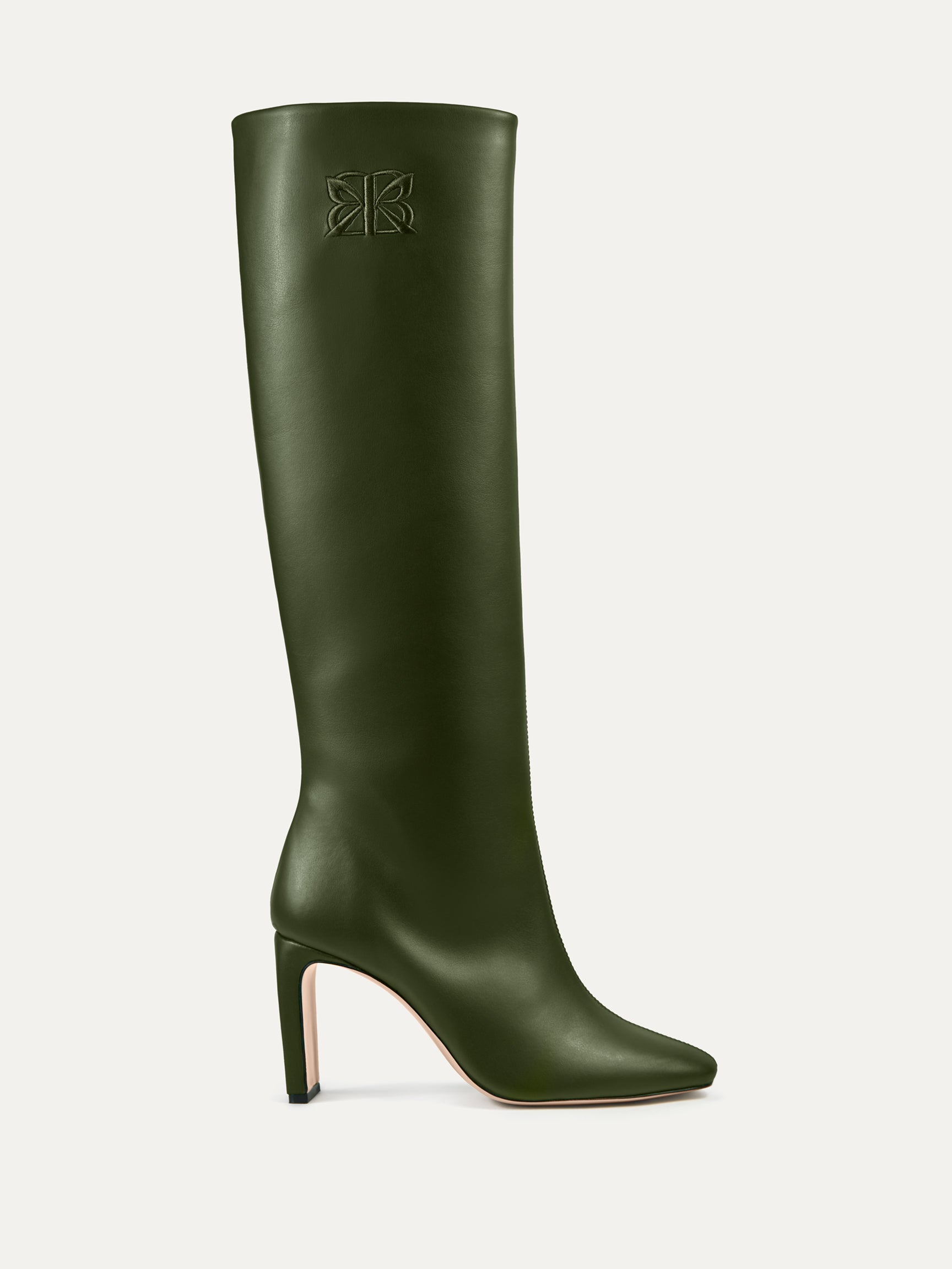
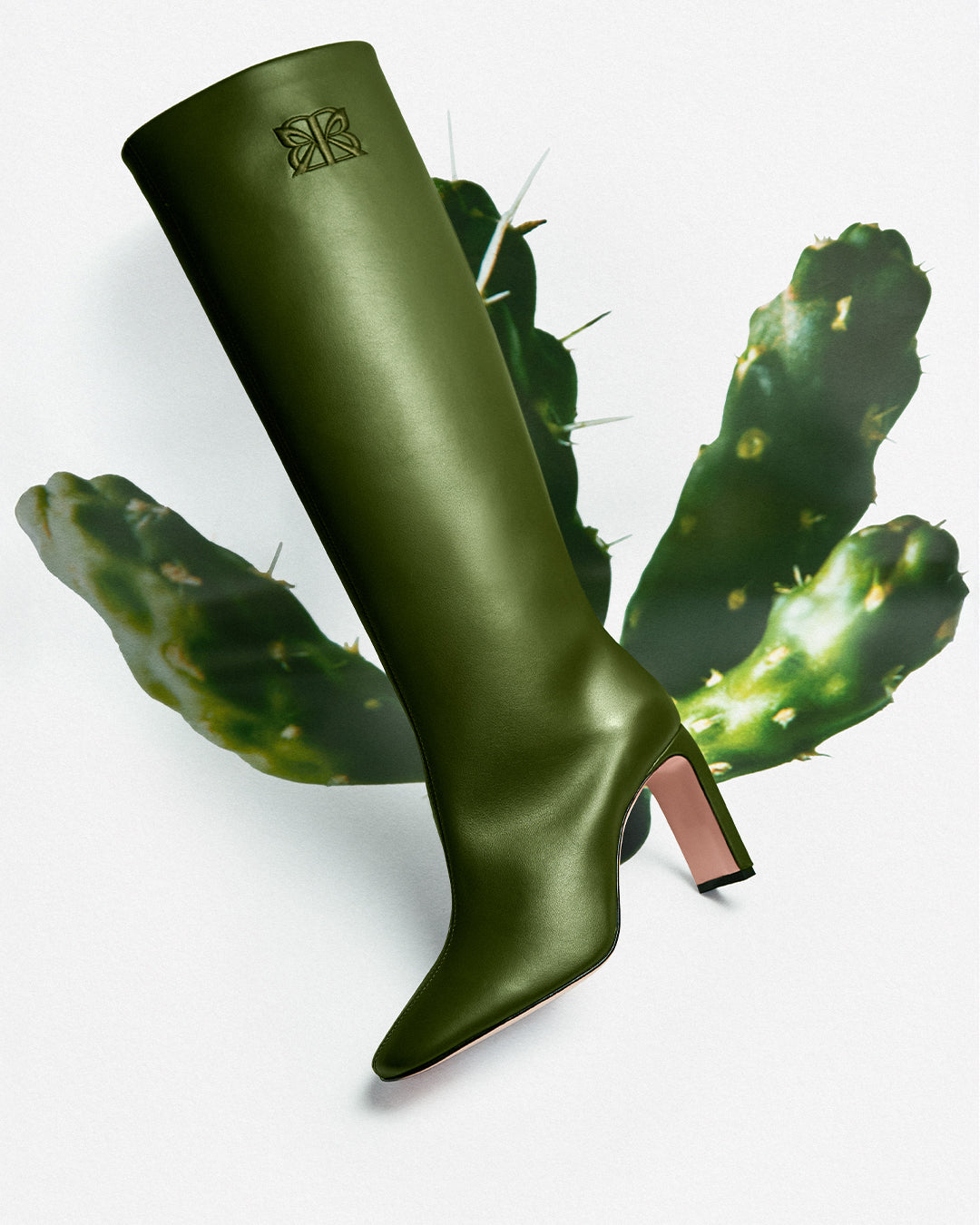
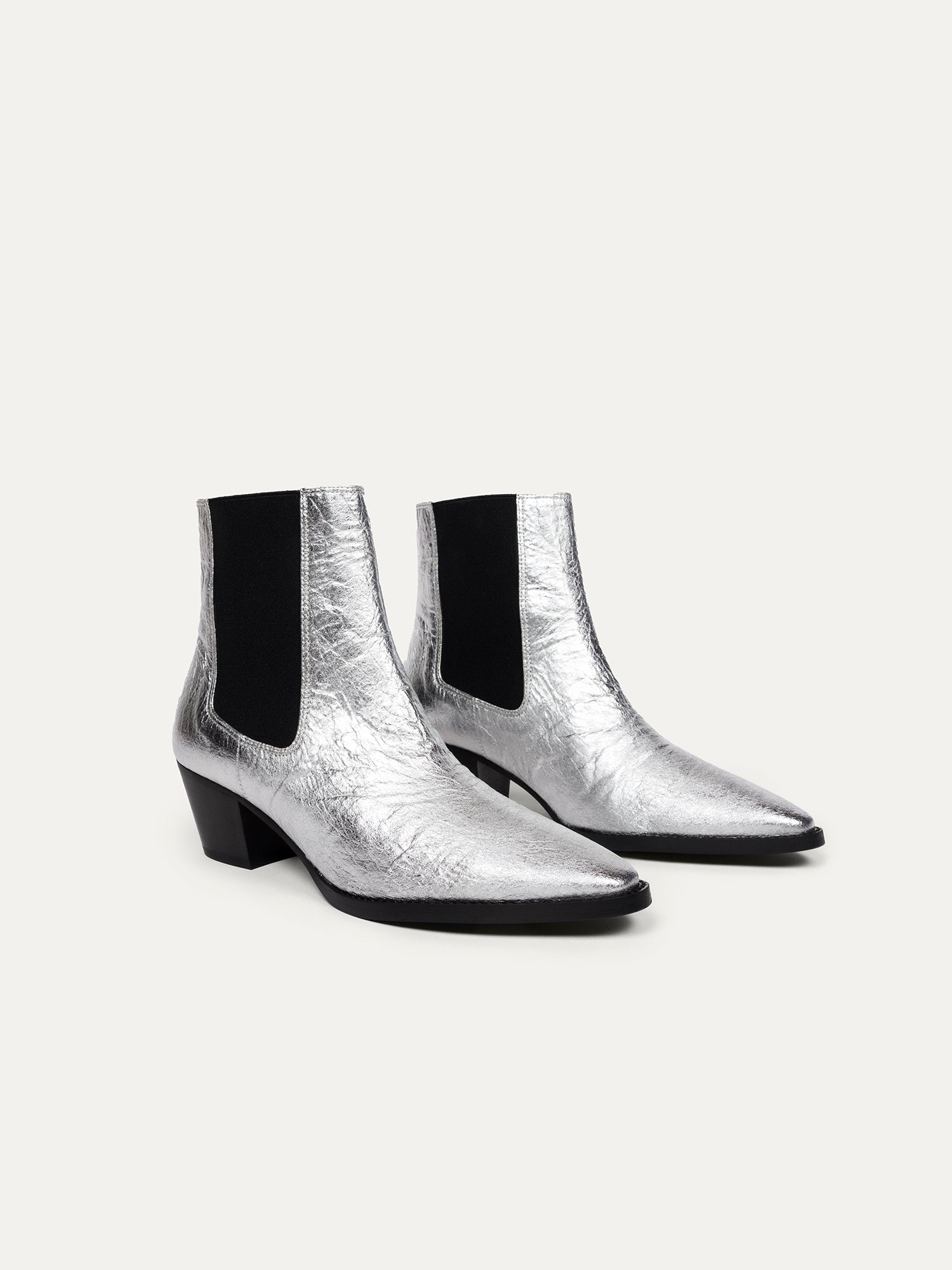
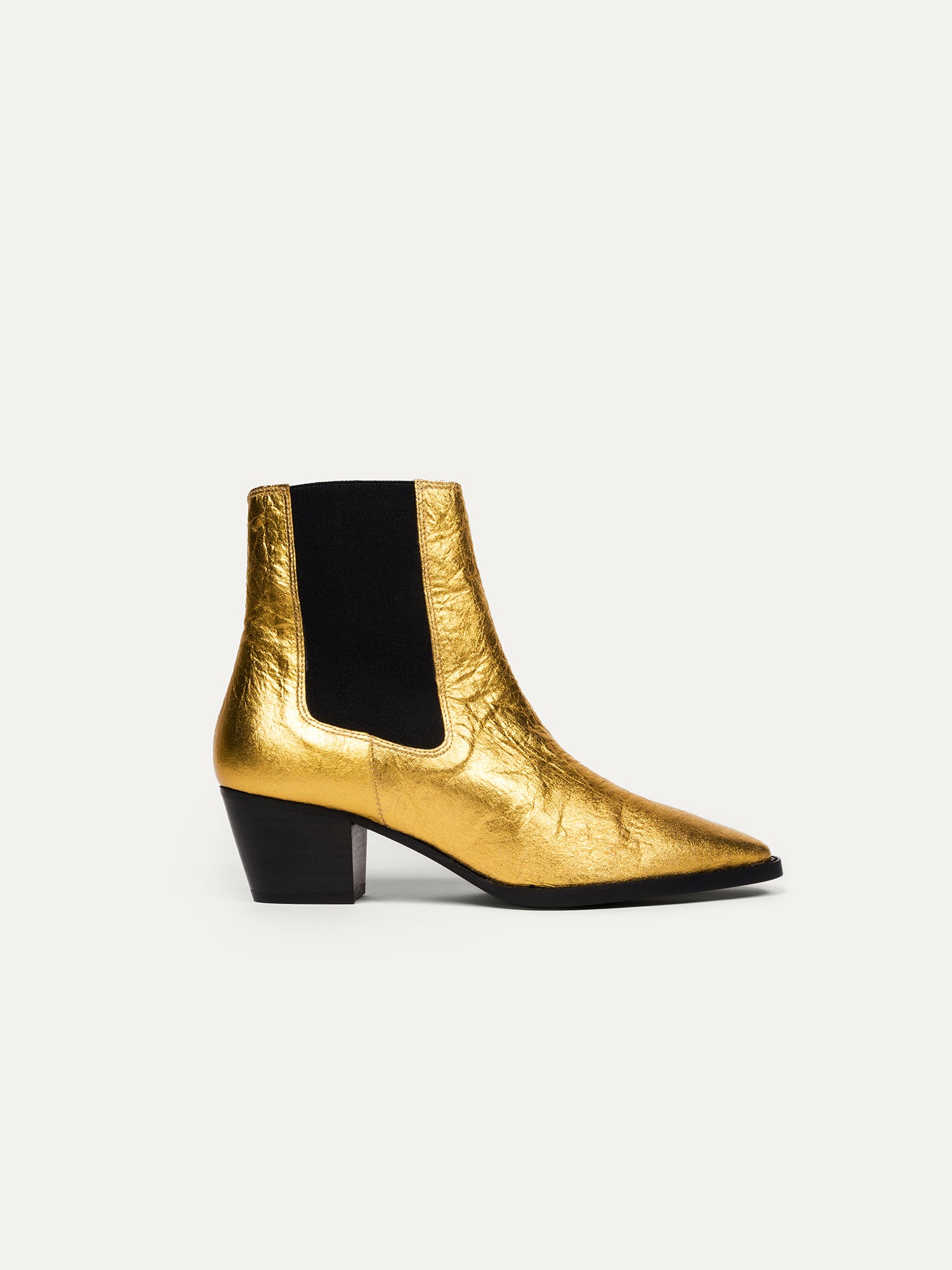
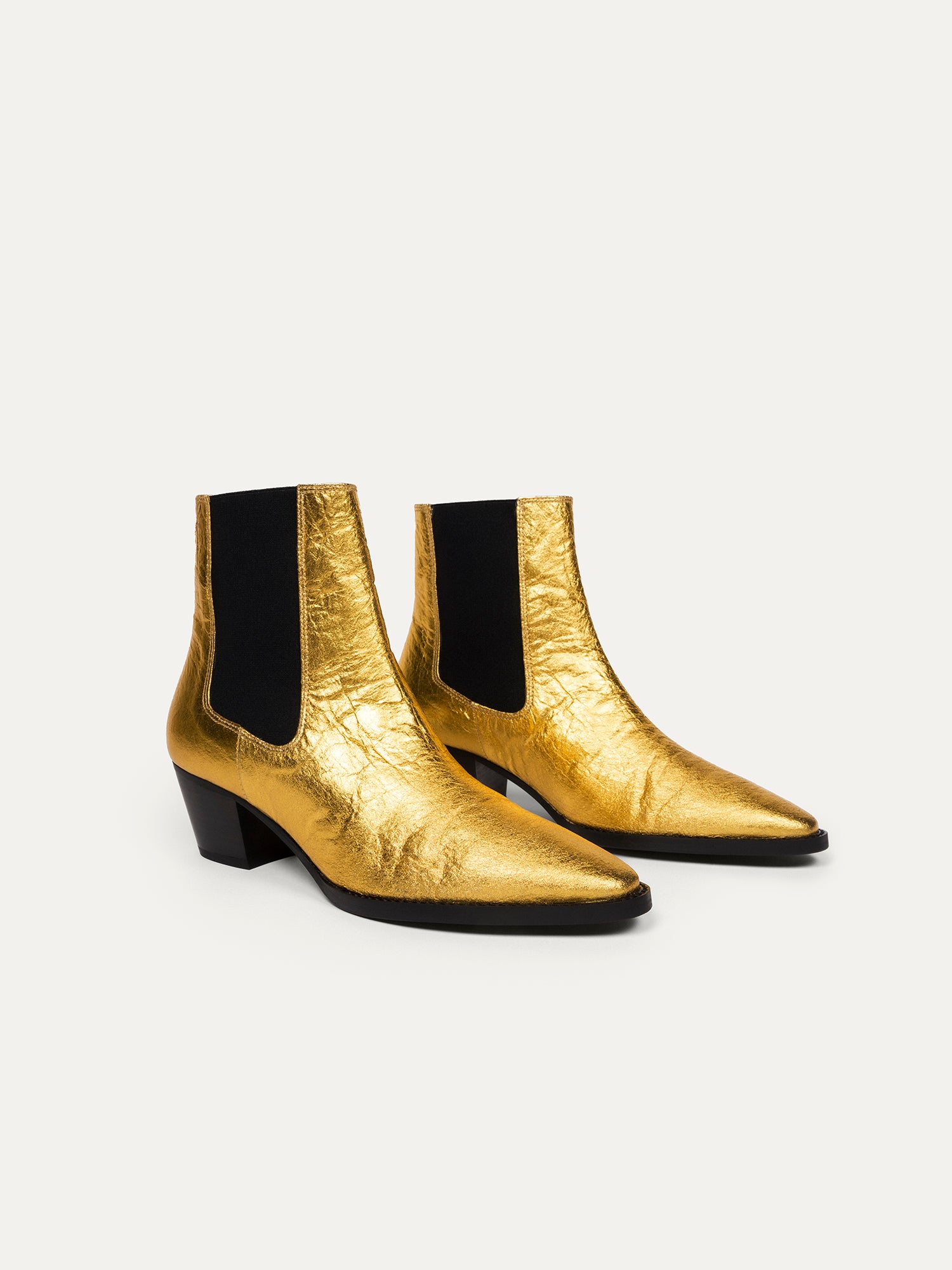
It is from its large, thick, and supple leaves that this bold, responsible, and 100% vegan material is made. Harvested from the Nopal cactus, the leaves are collected by hand, sun-dried, and then transformed into a material remarkably similar to traditional leather. It retains the same soft, matte texture, but with a fresh twist, and above all, a much more sustainable manufacturing process. In our boots, cactus makes up 35% of the outer material, resulting in a 94% reduction in carbon footprint. A material with a delicate feel, a lightweight, breathable feel, and remarkable durability; perfect for an active, urban, and feminine lifestyle.
Cactus Skin
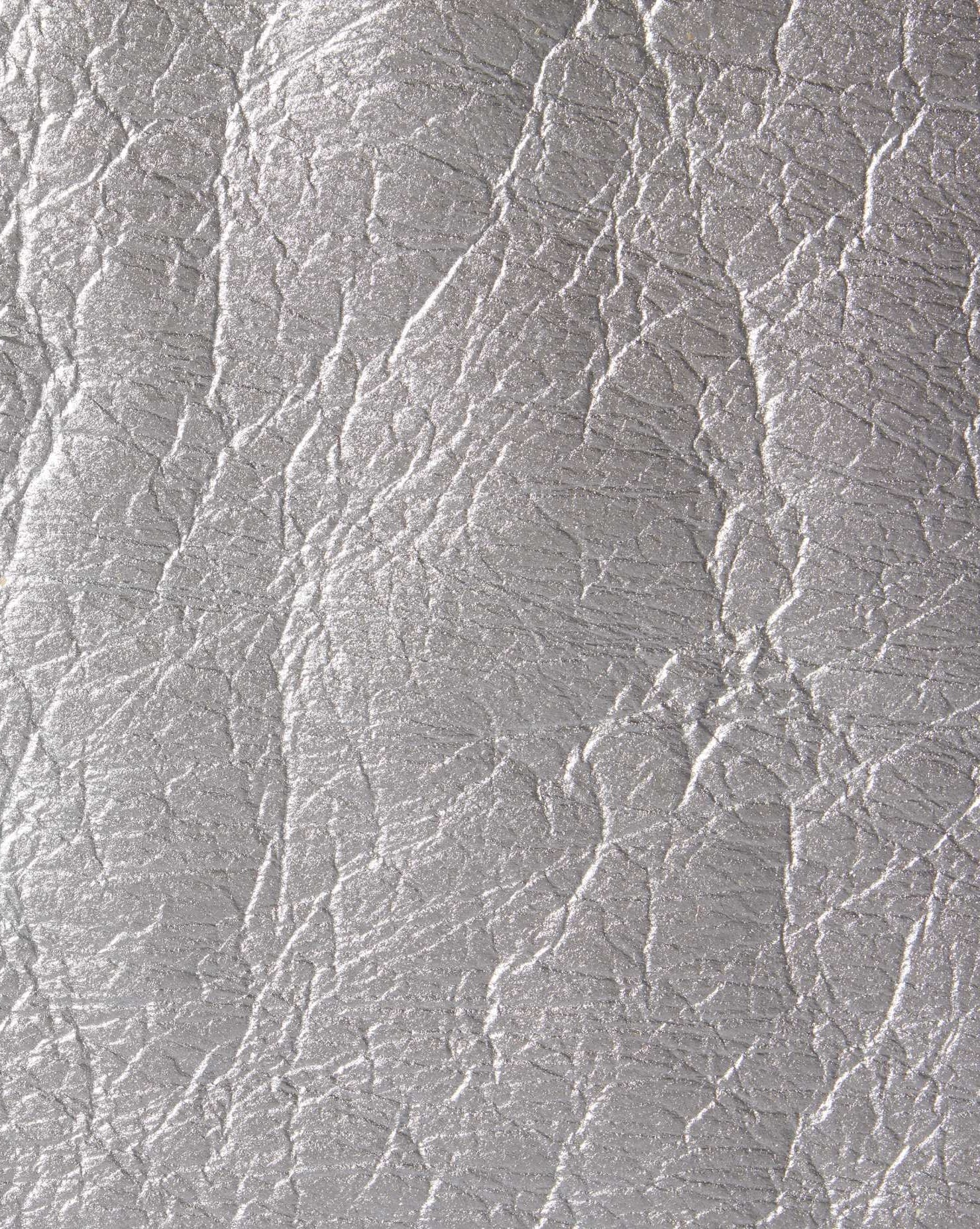
Pineapple Skin
The fabulous Piñatex®: a revolutionary fabric already renowned for its strength, lightness, and flexibility. Created from pineapple leaf fibers, it represents a sustainable and essential alternative. Appreciated by fashion connoisseurs worldwide, it embodies the perfect fusion of style and environmental responsibility.
Pineapple Skin

Bio-Material
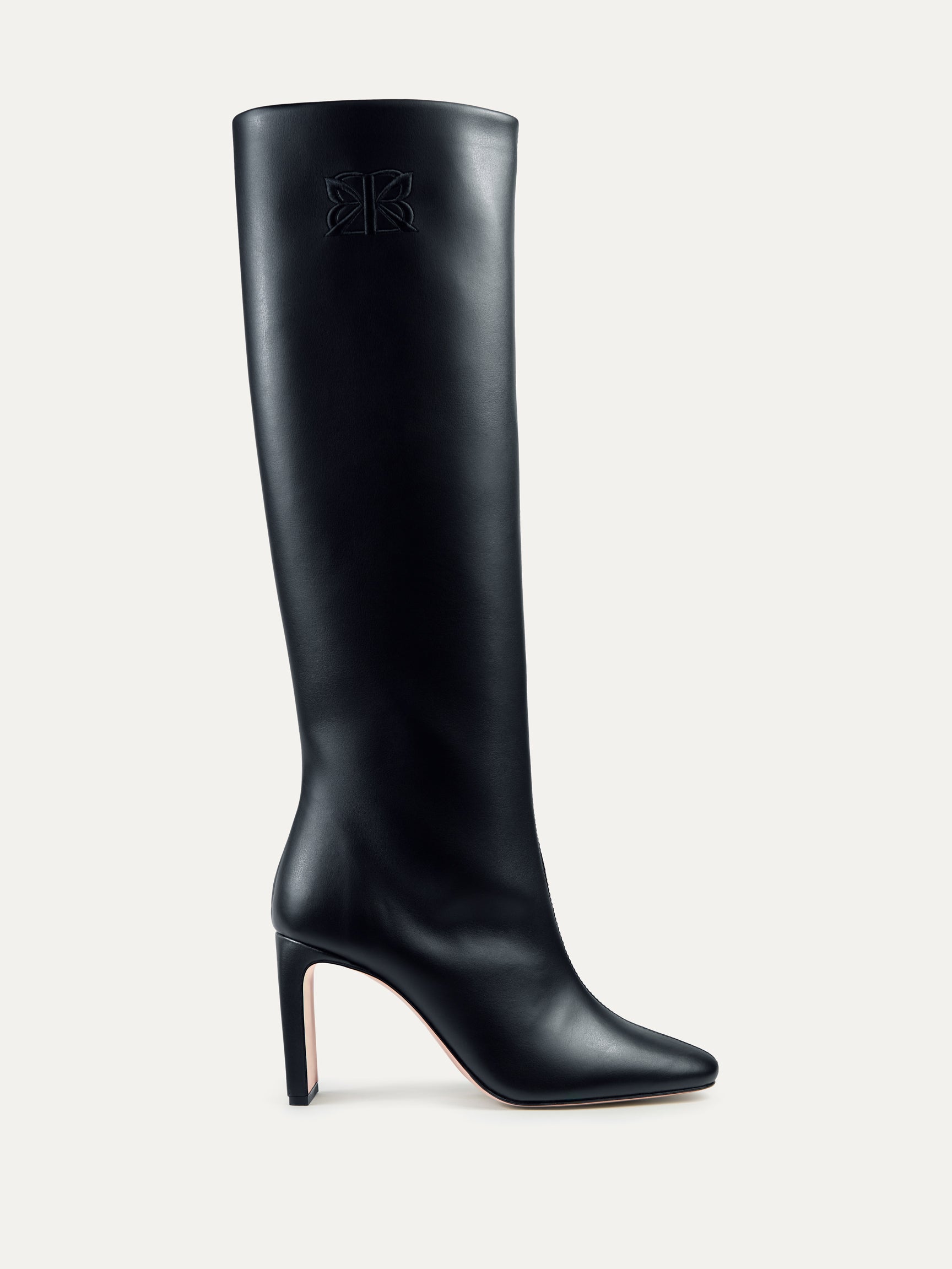
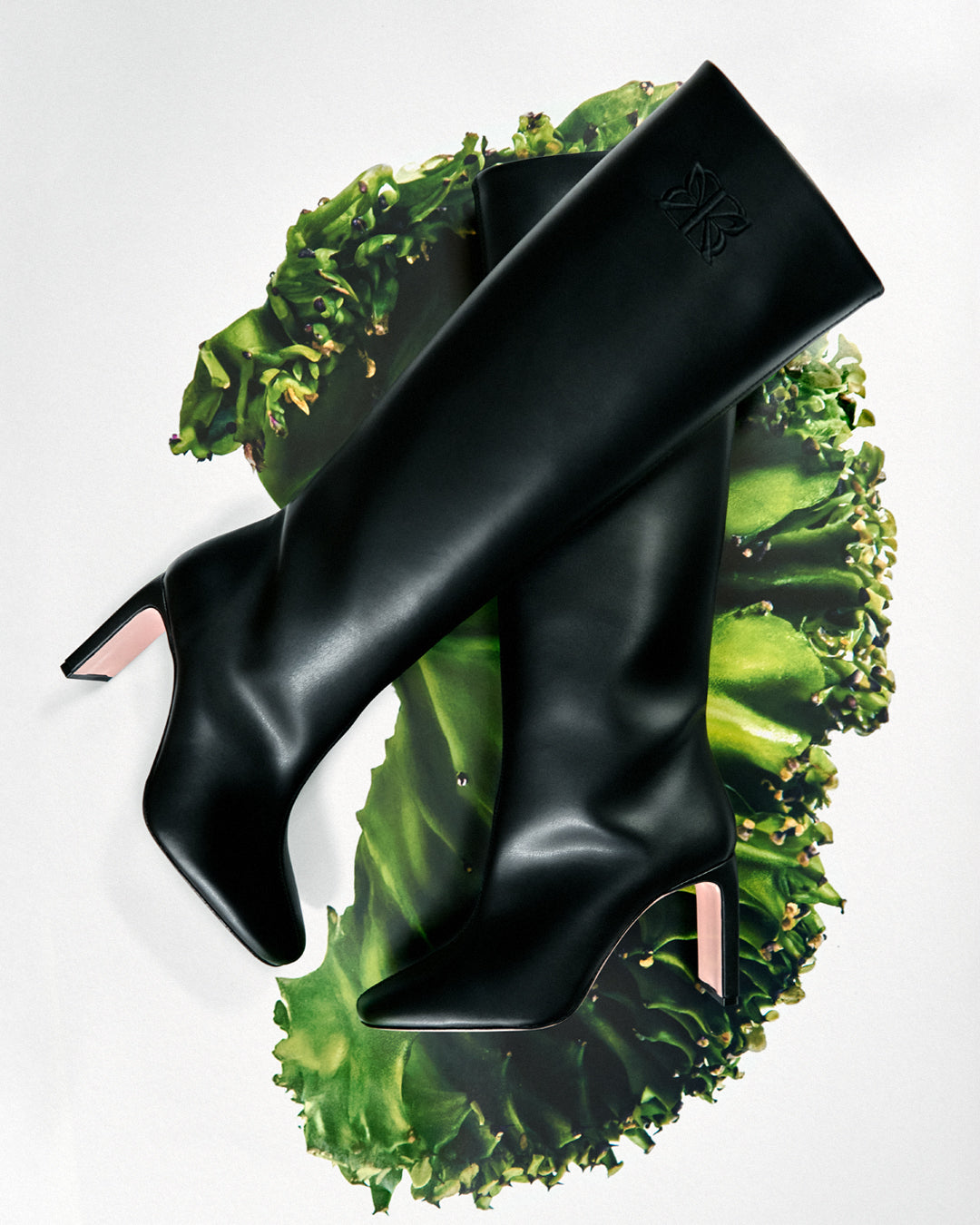
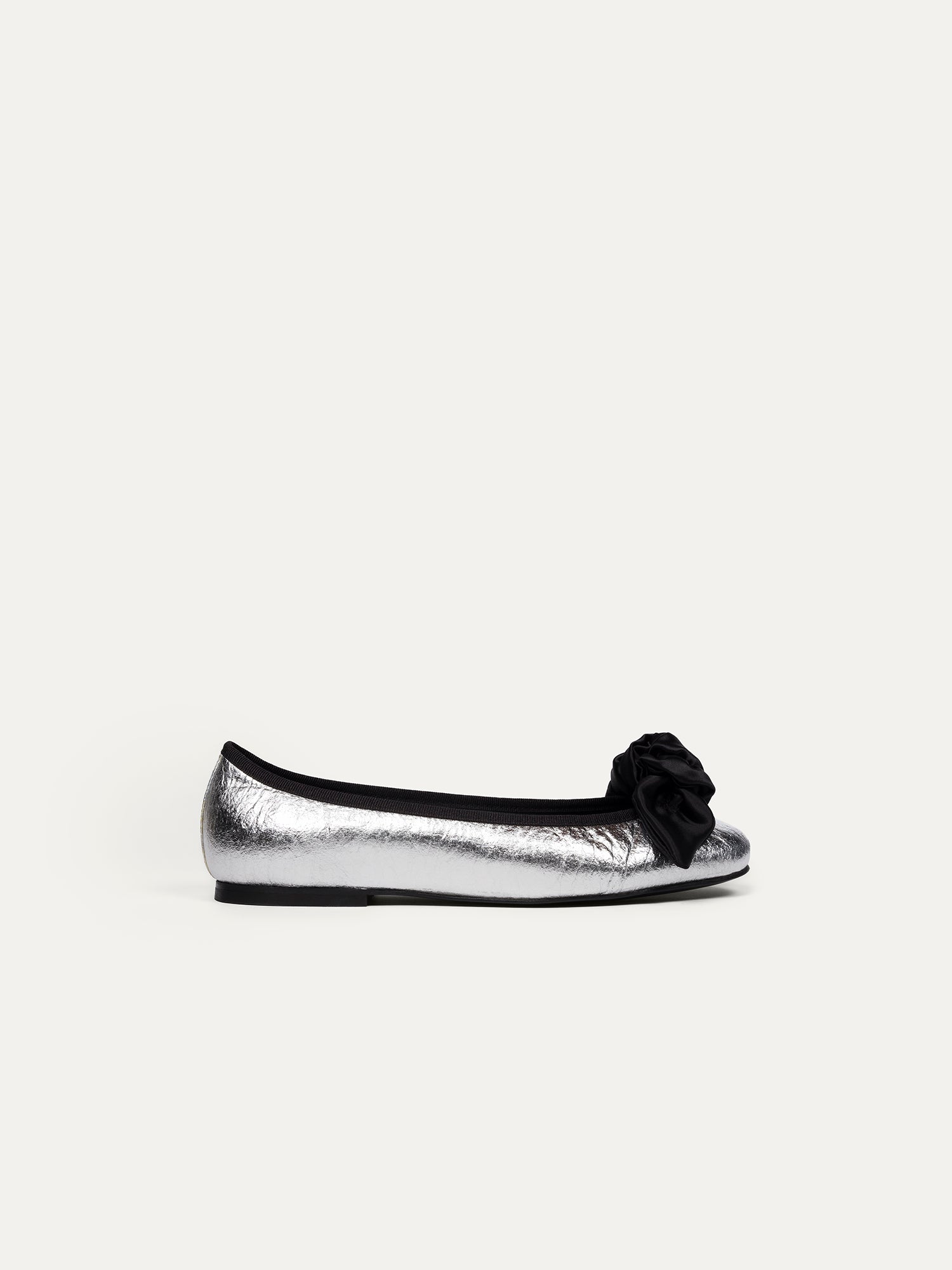
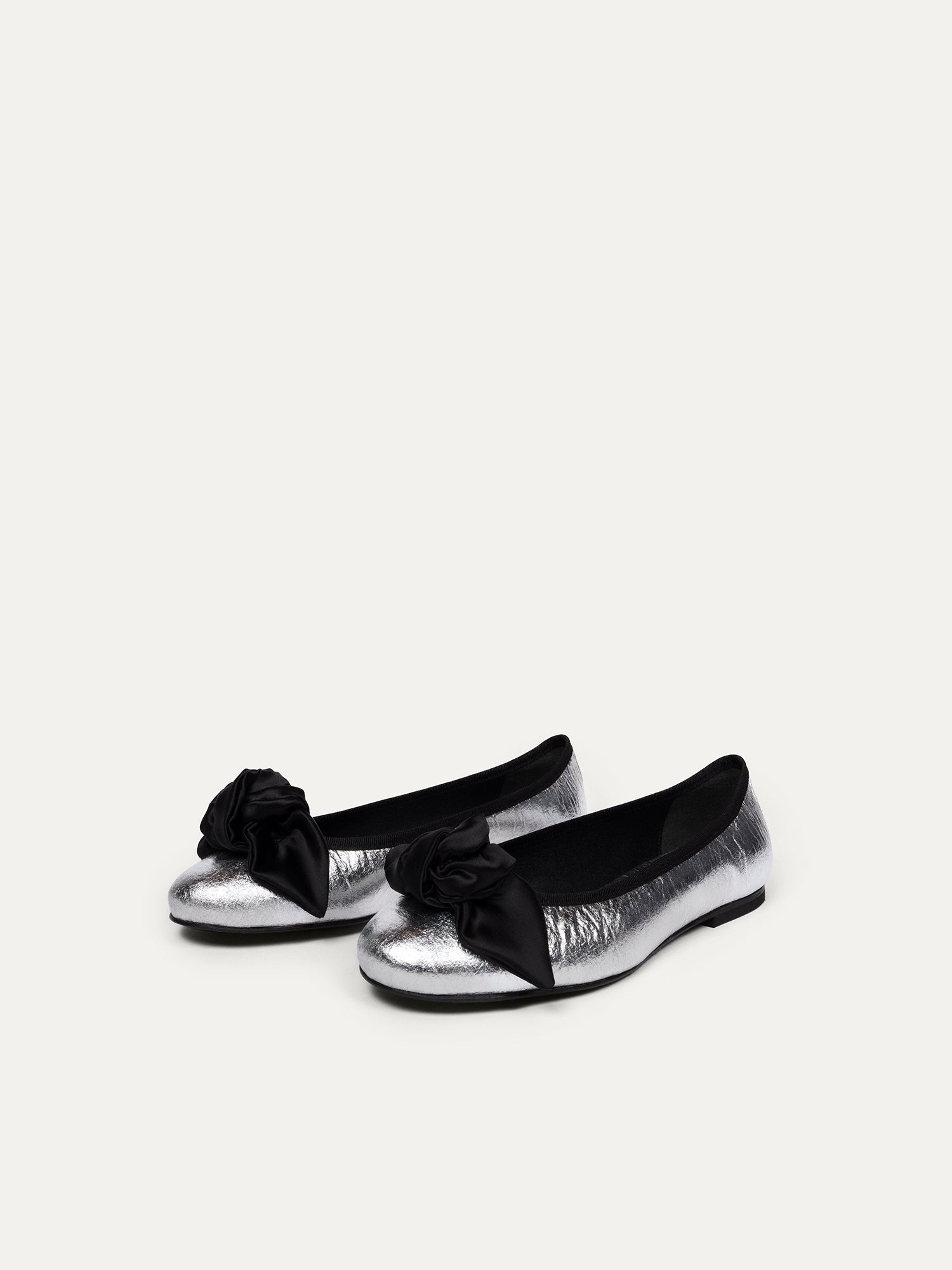
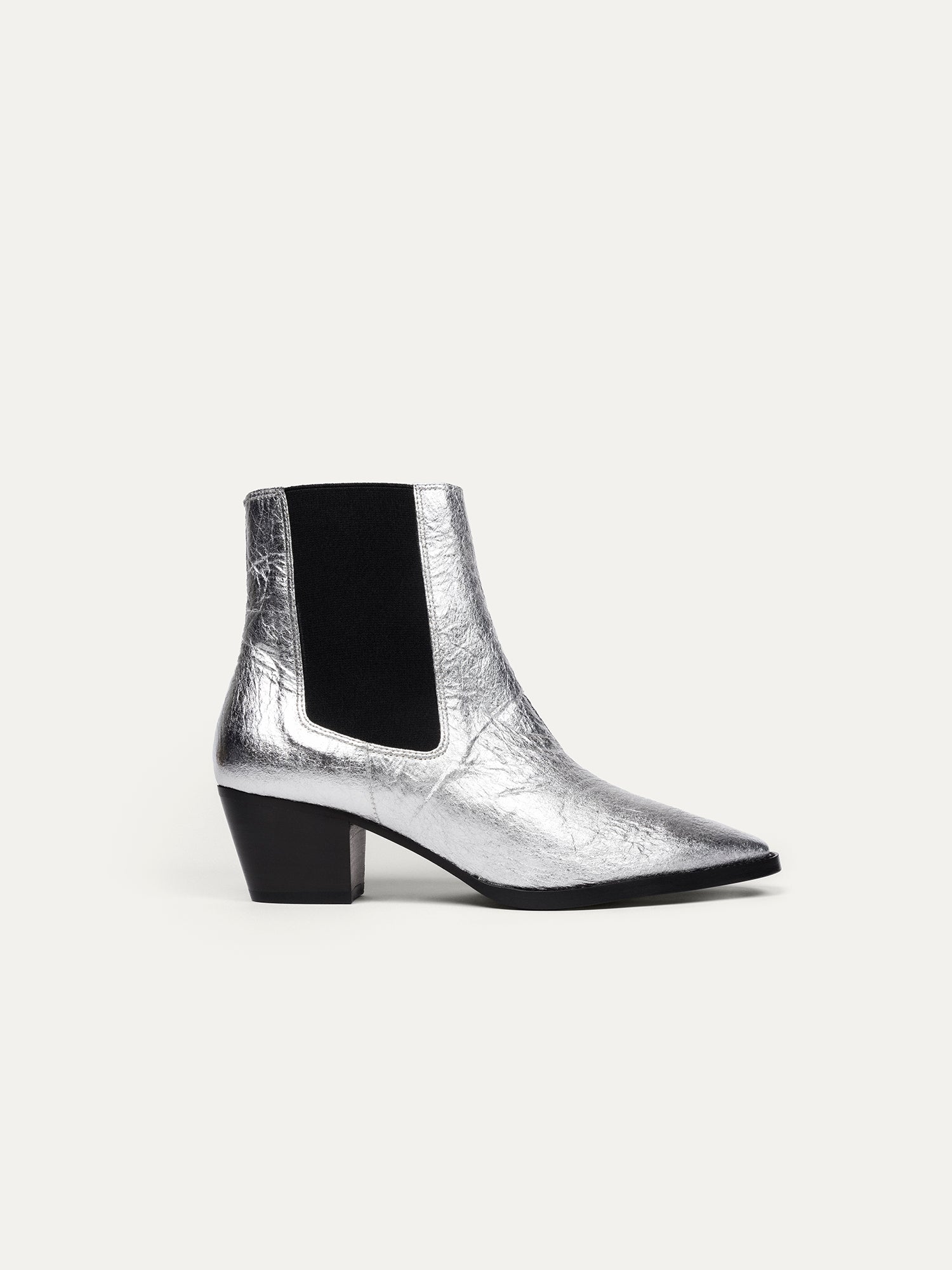
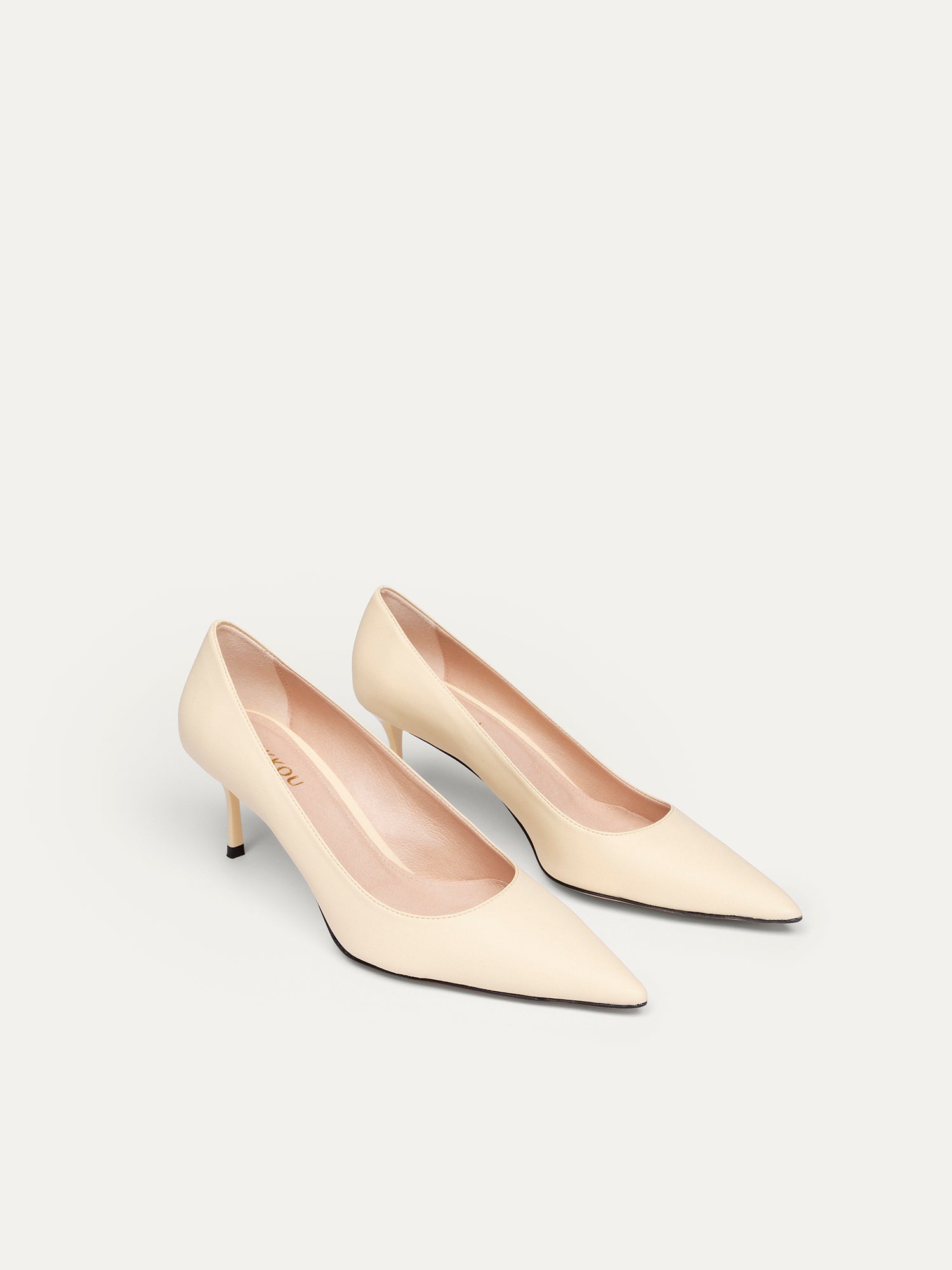
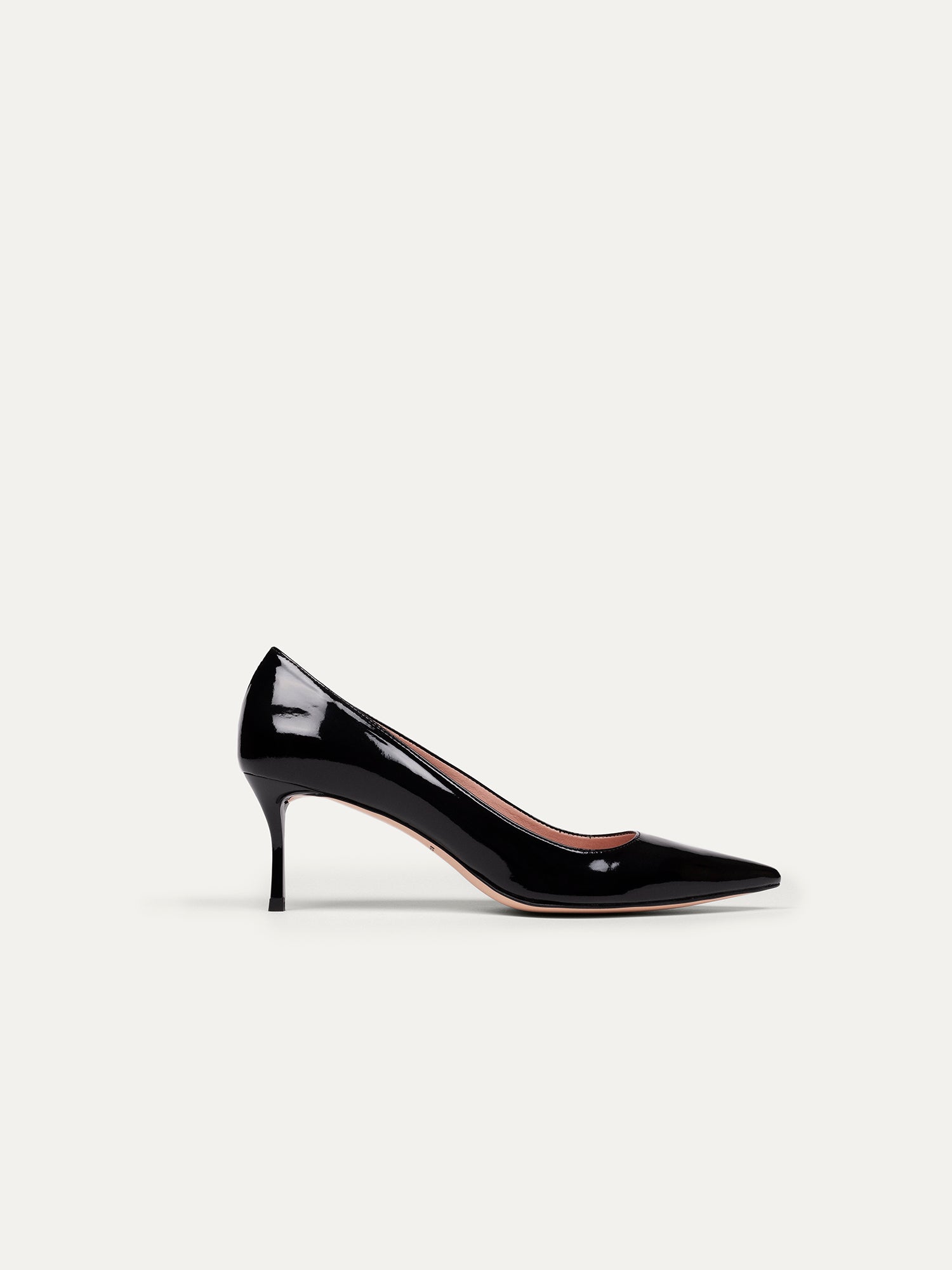
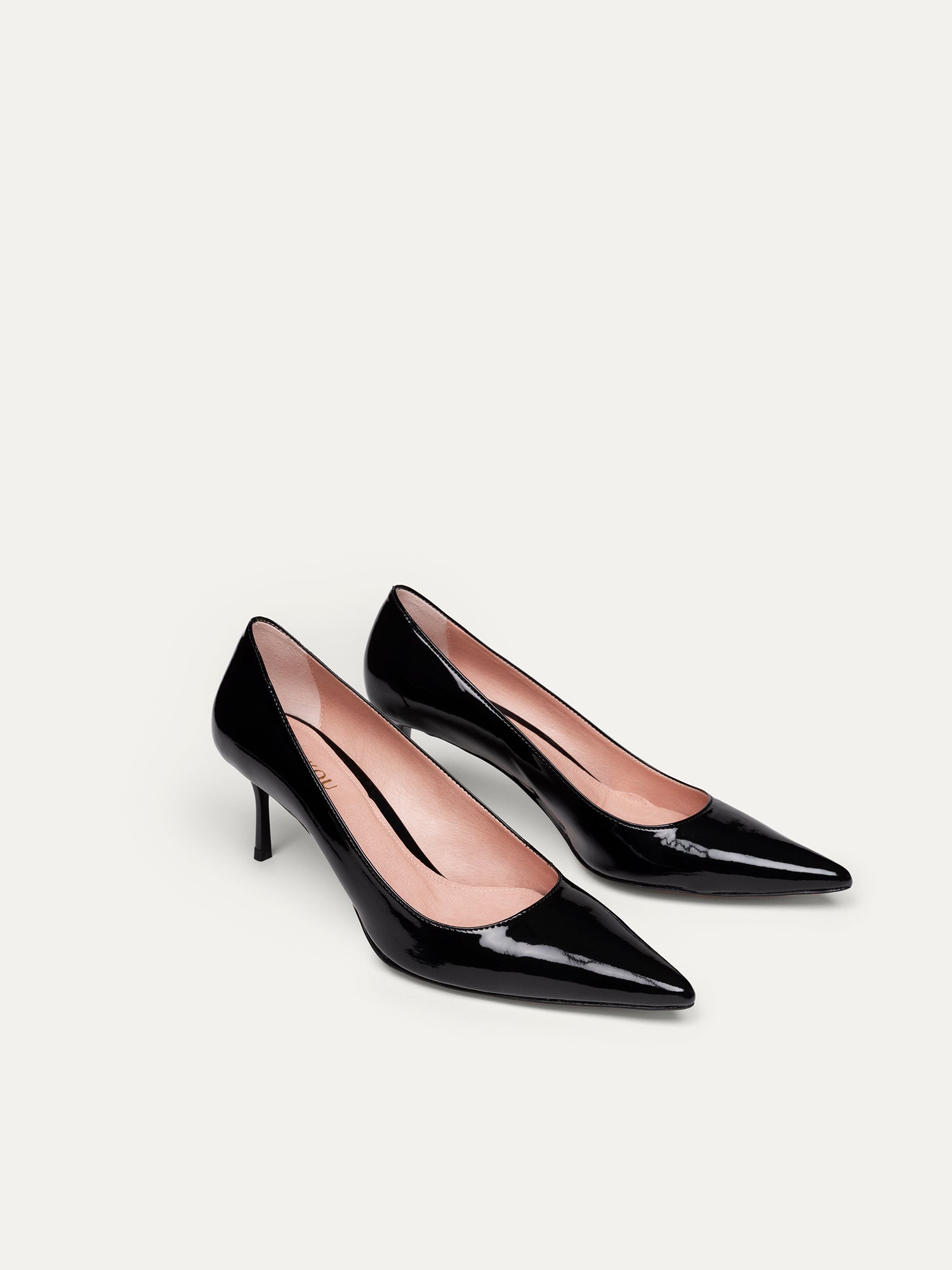
Bio-based materials are sustainable alternatives to traditional leather. Approved by PETA, they are made from plant-based and recycled materials, thus helping to reduce their environmental impact. The composition of a bio-based material can vary; the one we use is composed of 48% bio-polyols derived from non-GMO grains, combined with FSC-certified viscose and GRS-certified recycled polyester.
Thanks to the use of certified raw materials, their manufacture is part of a more responsible approach. Compared to tanned leather, bio-materials have reduced environmental impacts, particularly in terms of climate change, acidification of aquatic environments and use of natural resources, as evidenced by Life Cycle Assessment (LCA).
Bio-material
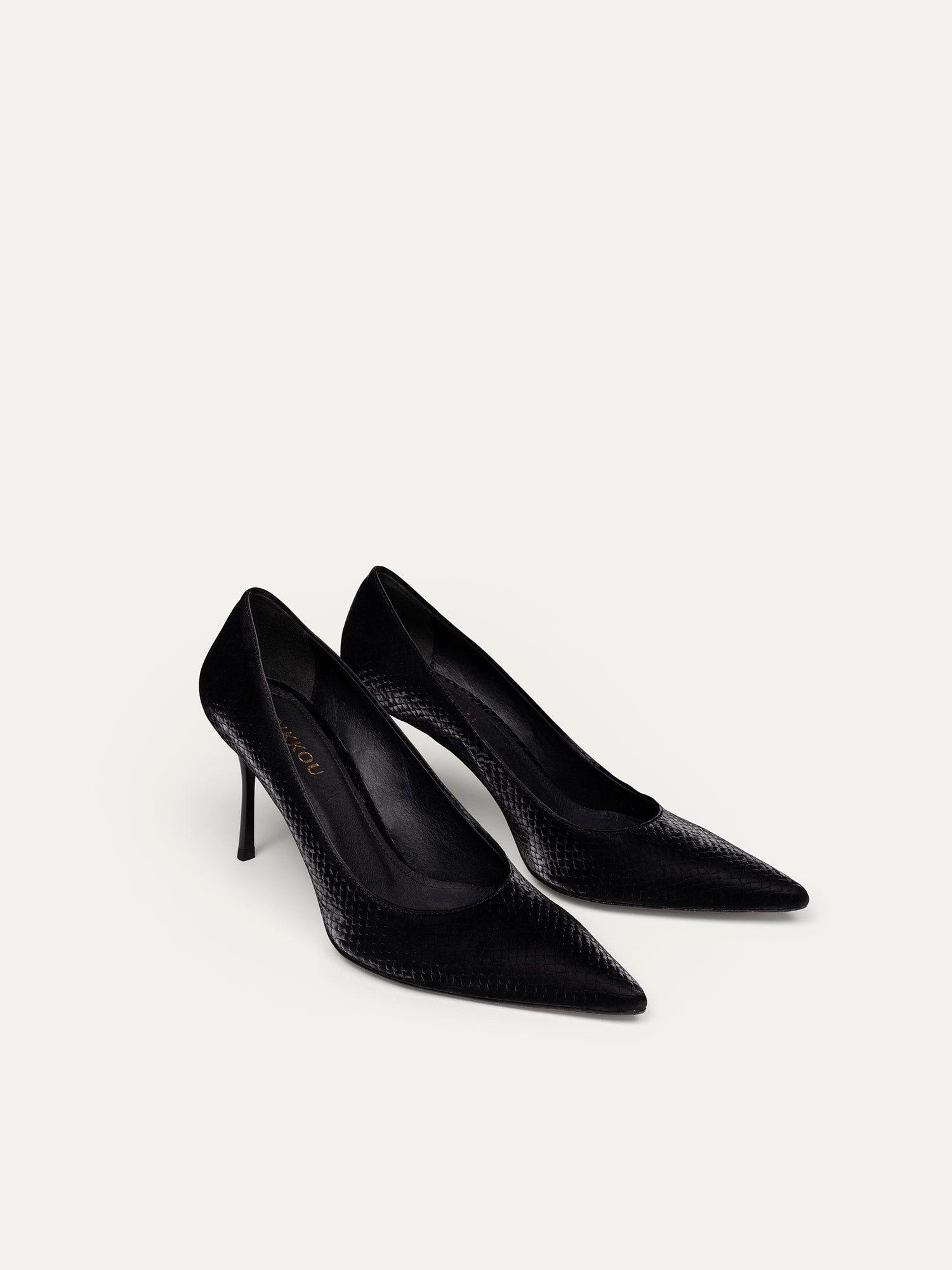

MUSHROOM
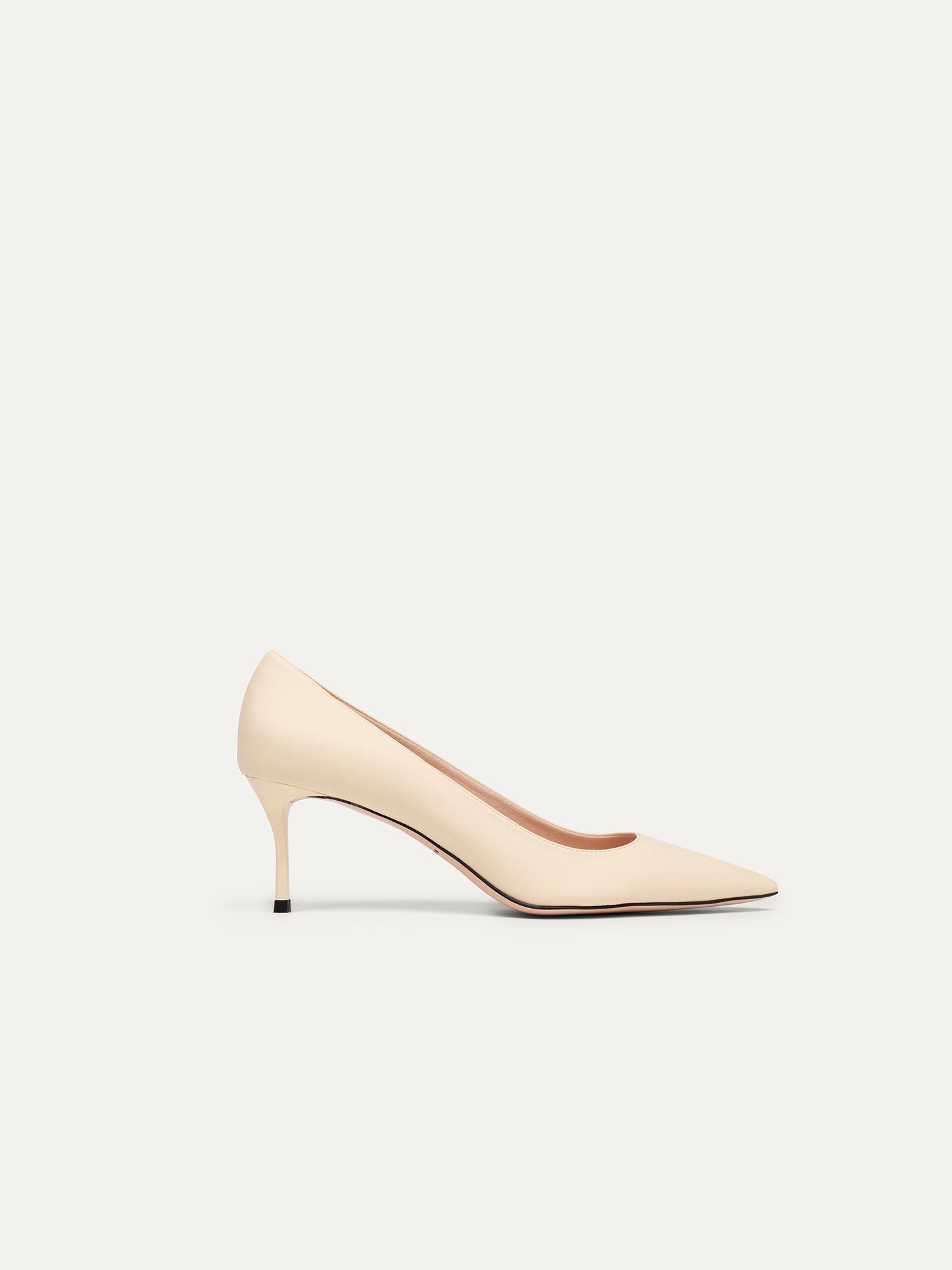
An innovative alternative to animal leather, developed from mycelium, the underground network of fungi that naturally contributes to ecosystem balance. This technology allows for the valorization of a renewable resource while reducing its environmental impact, with a sequestration capacity of up to 30% of CO₂ emissions.
Made from mycelium grown on plant-based resources, this material offers a pleasant feel, excellent resistance, and uses only FSC or GRS certified substrates.
Mushroom
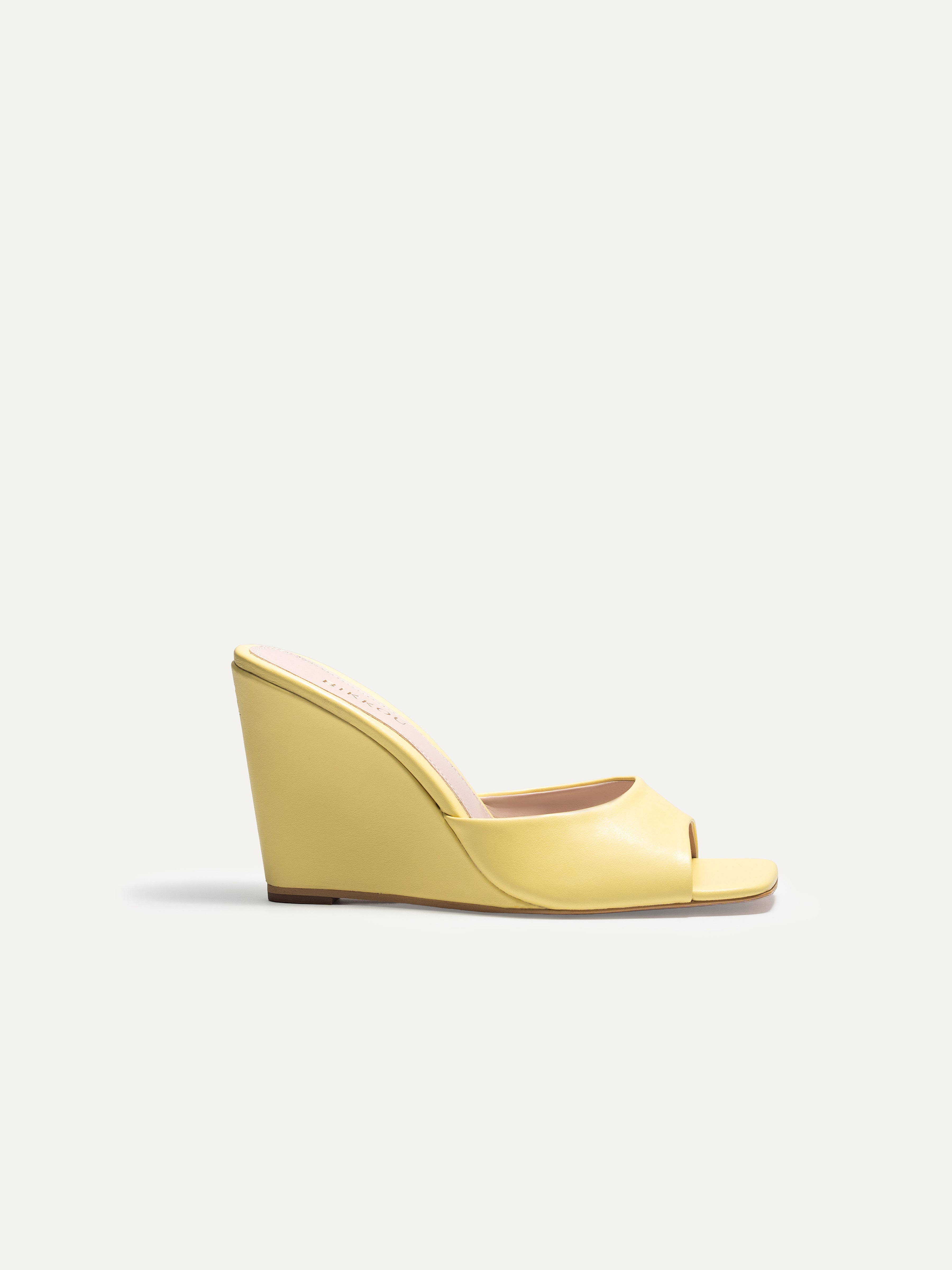
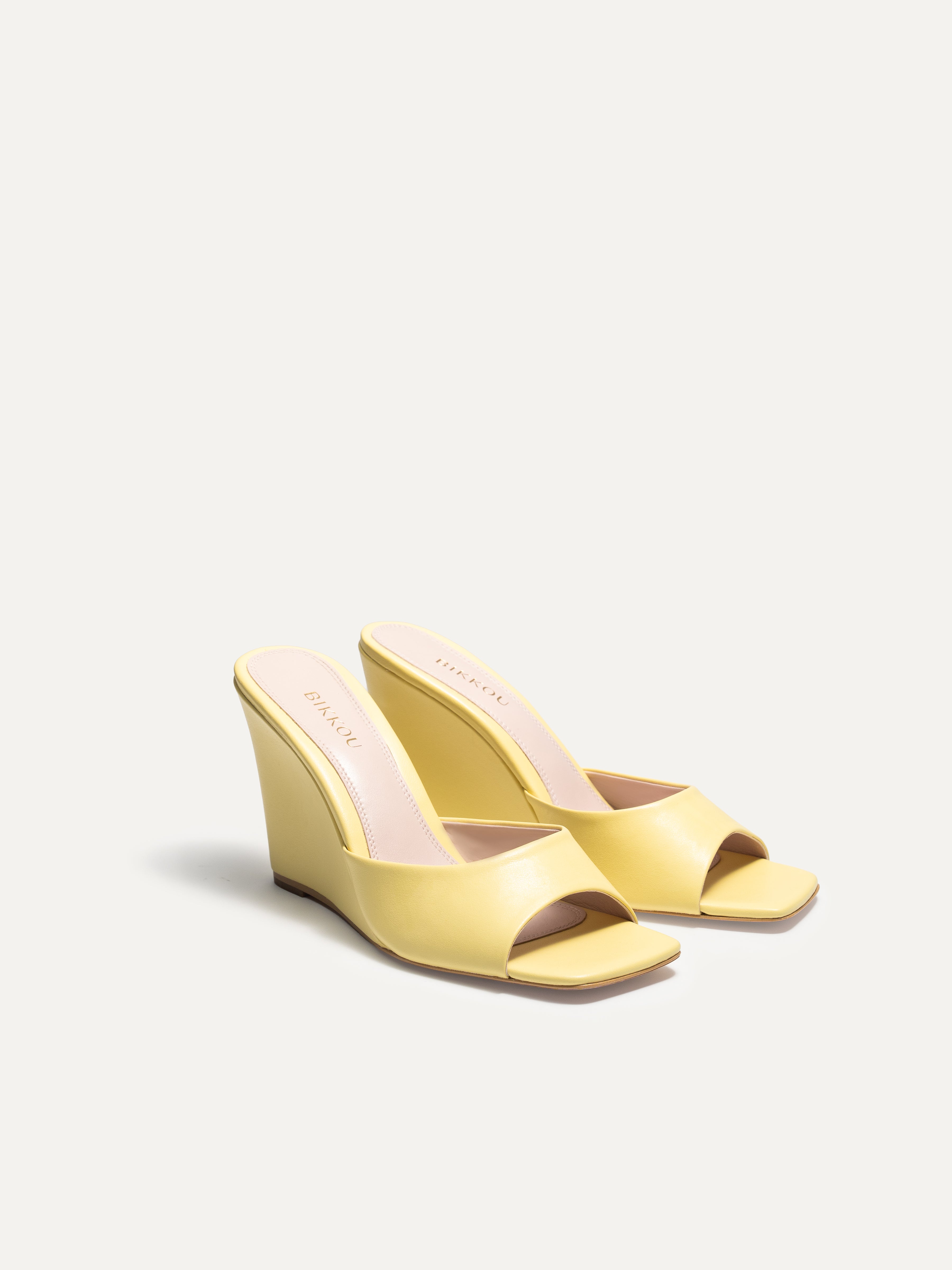
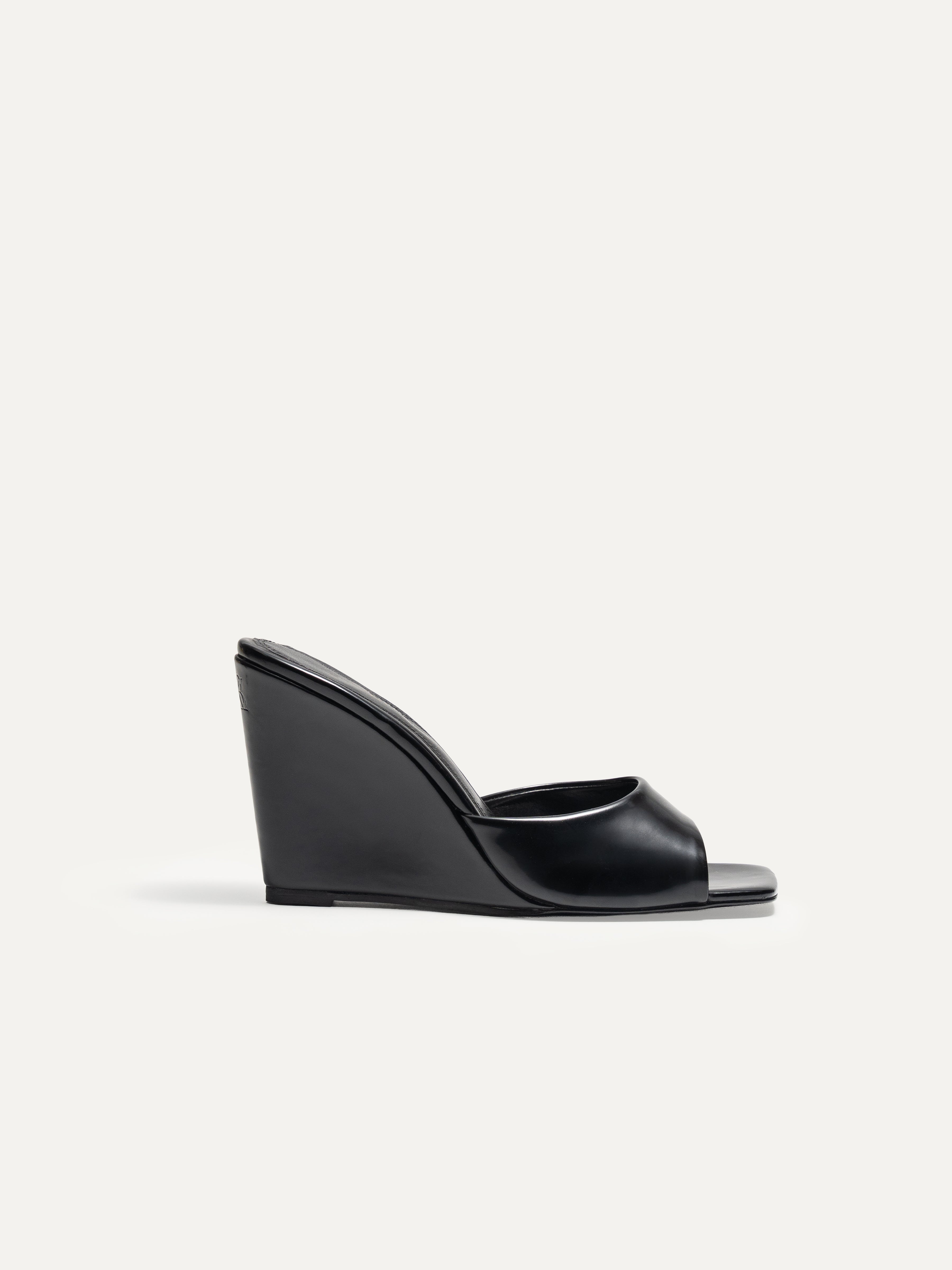
Recycled PET
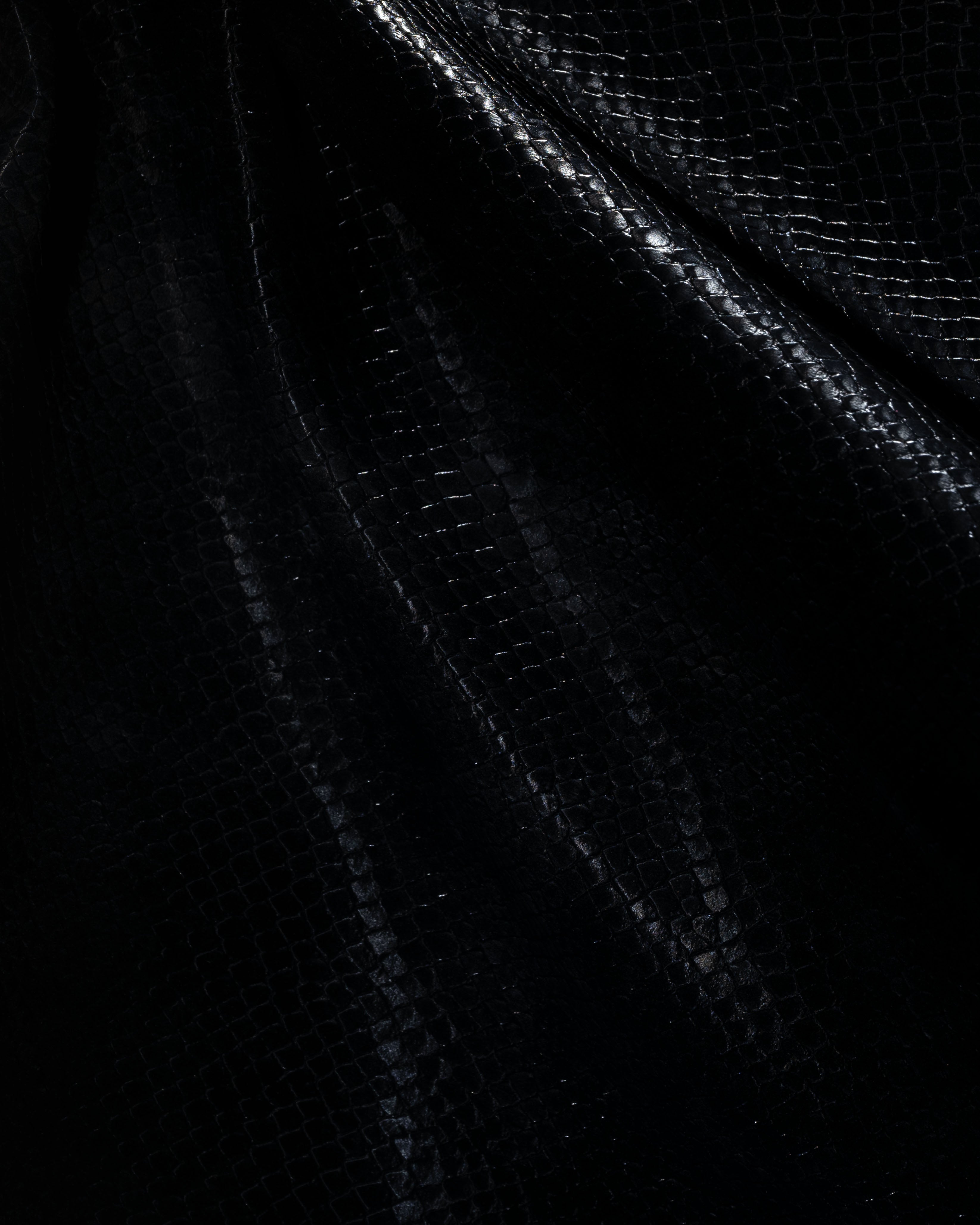
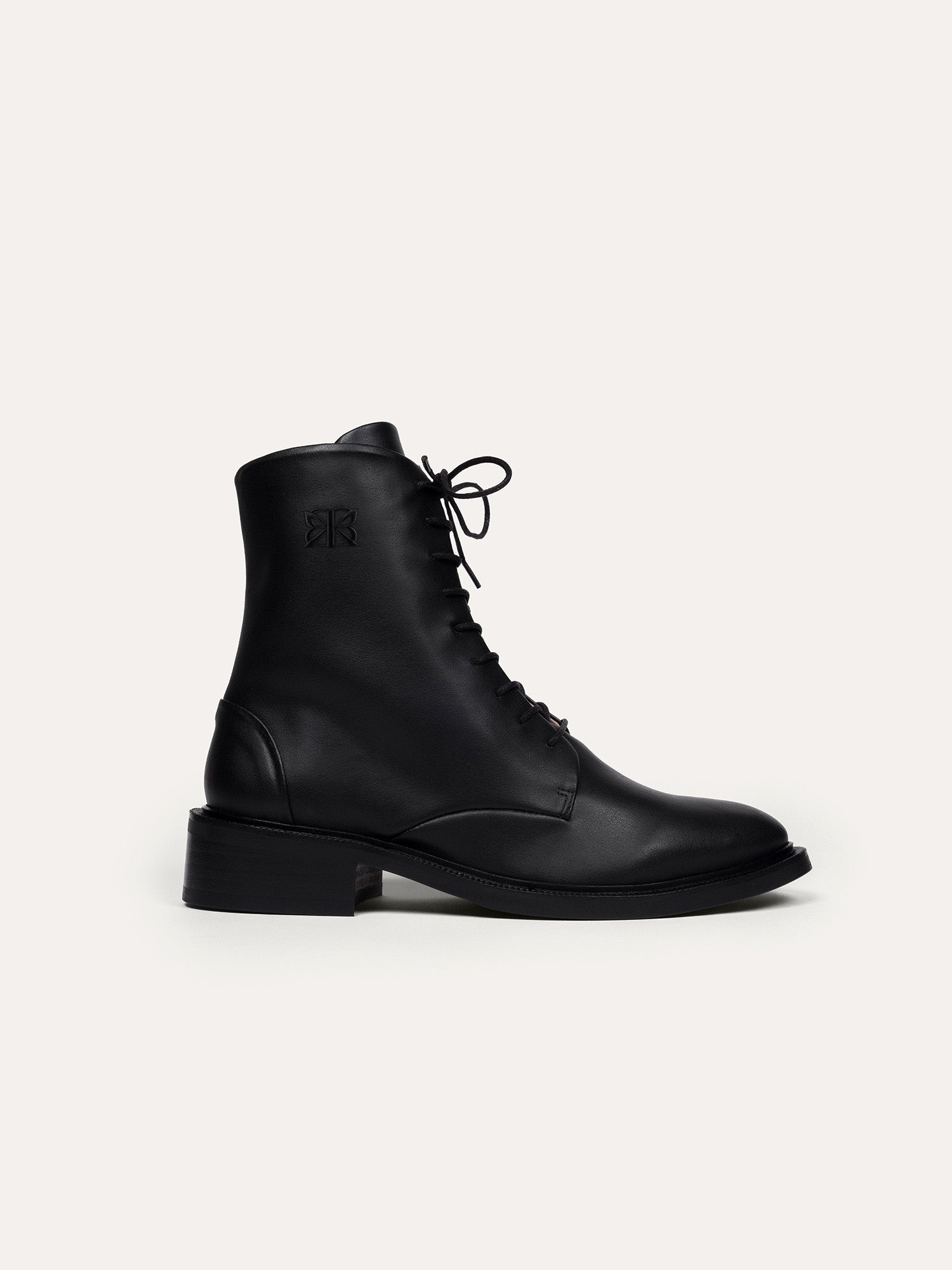
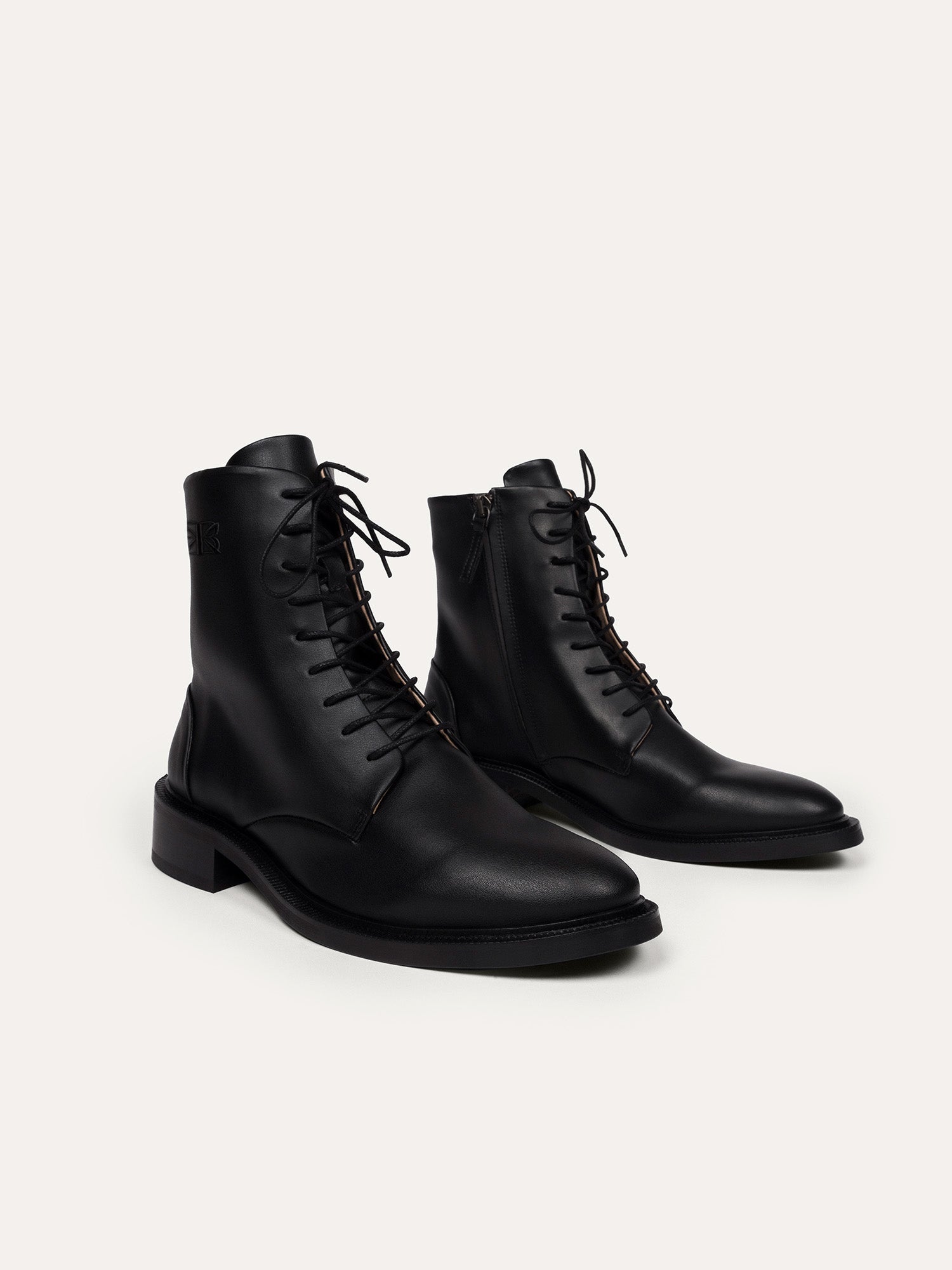
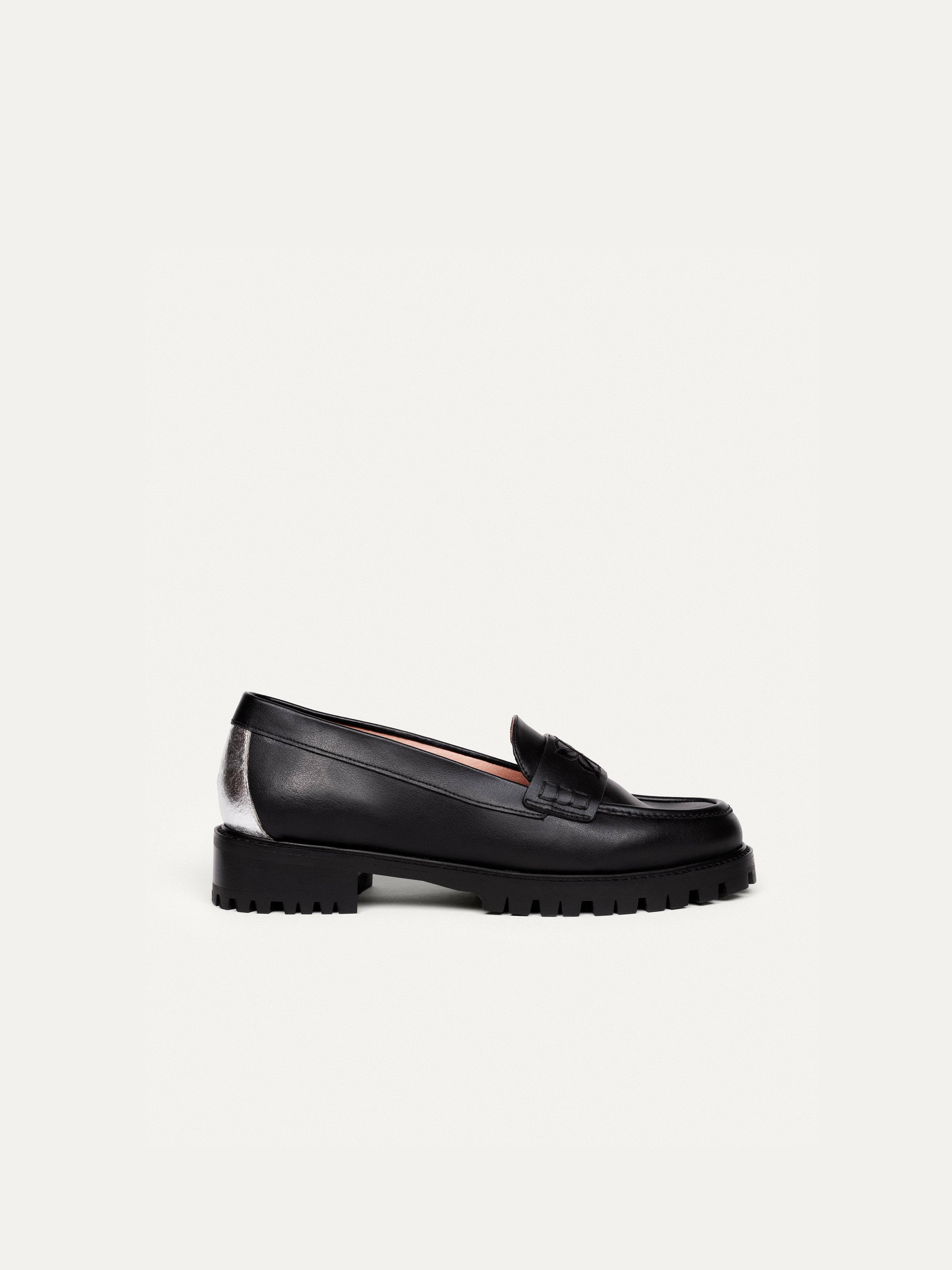
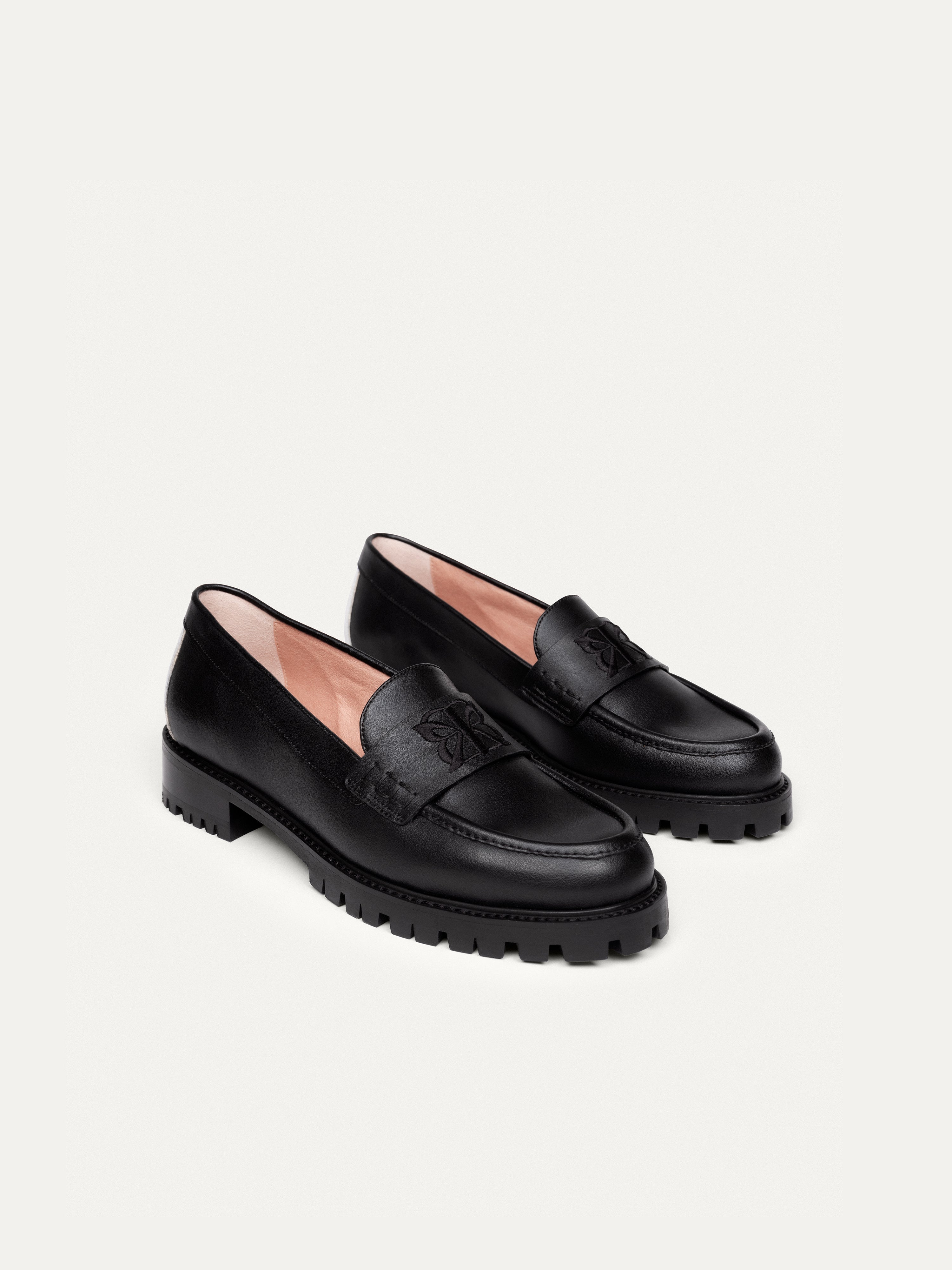
Made from recycled plastic bottles, this GRS-certified material offers remarkable strength and a delicate finish. Naturally waterproof, it combines practicality and elegance for everyday use. While every choice has an impact, using recycled PET gives existing resources a second life, contributing to waste reduction and responsible innovation.
Recycled PET
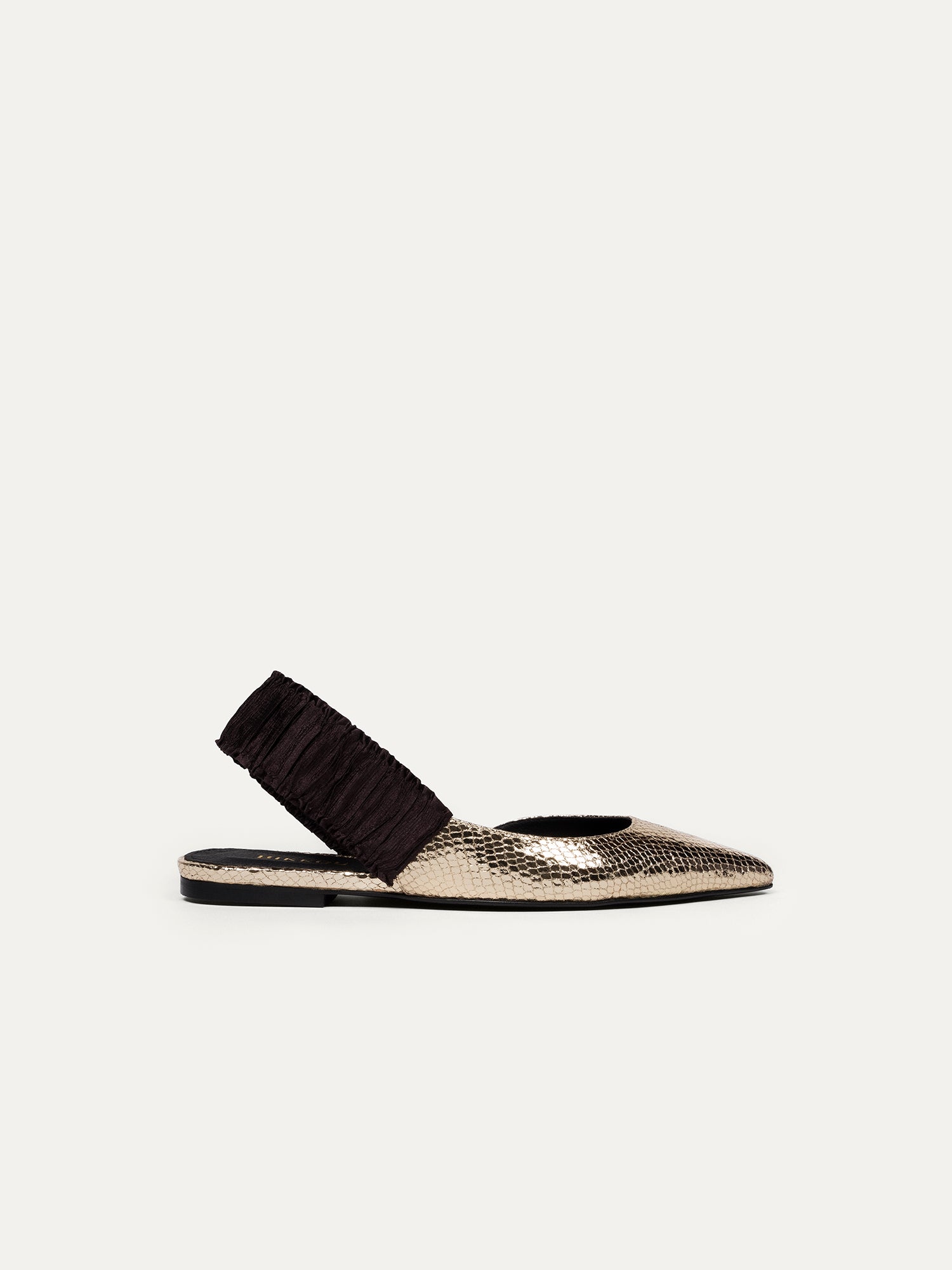
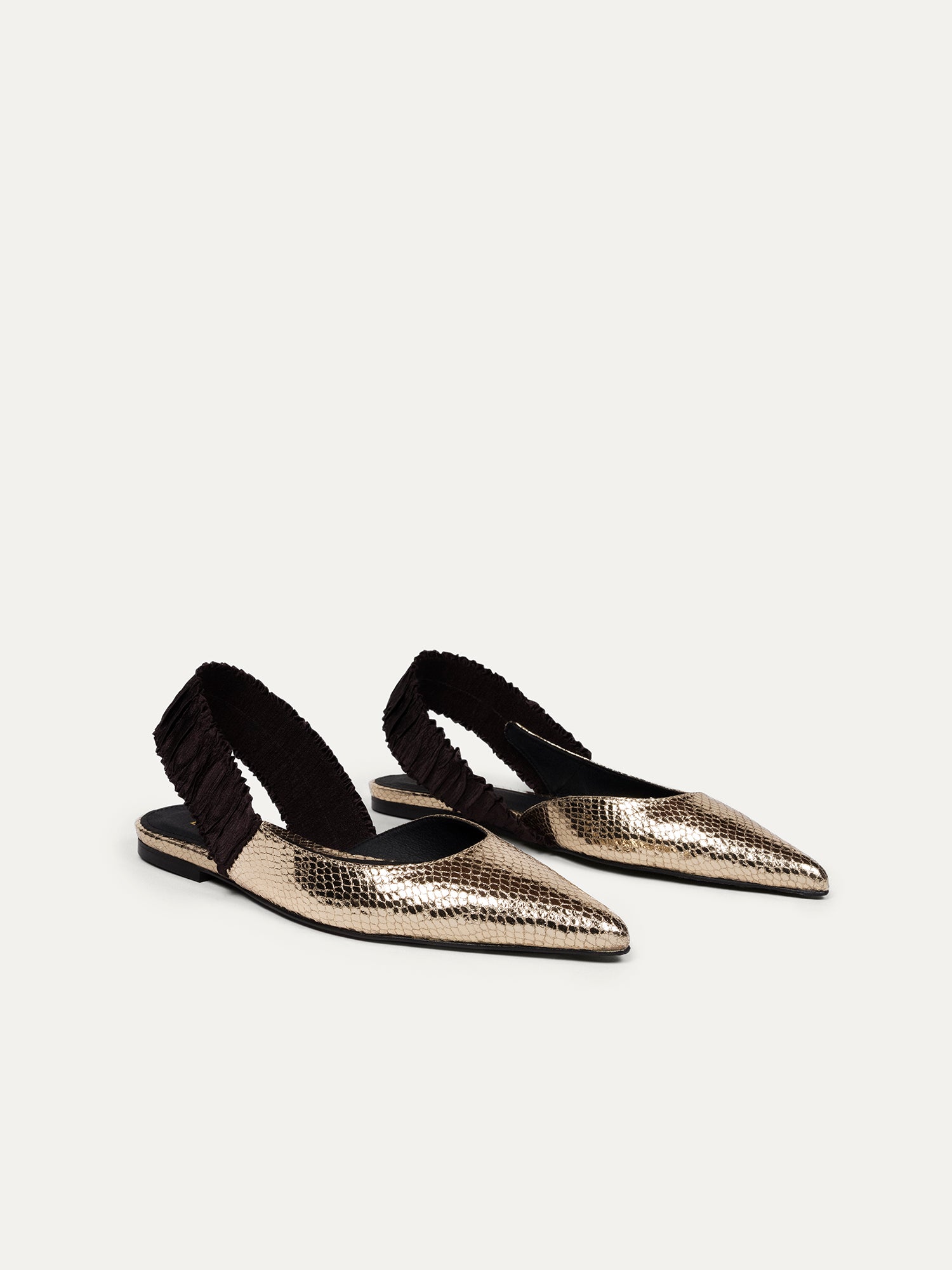
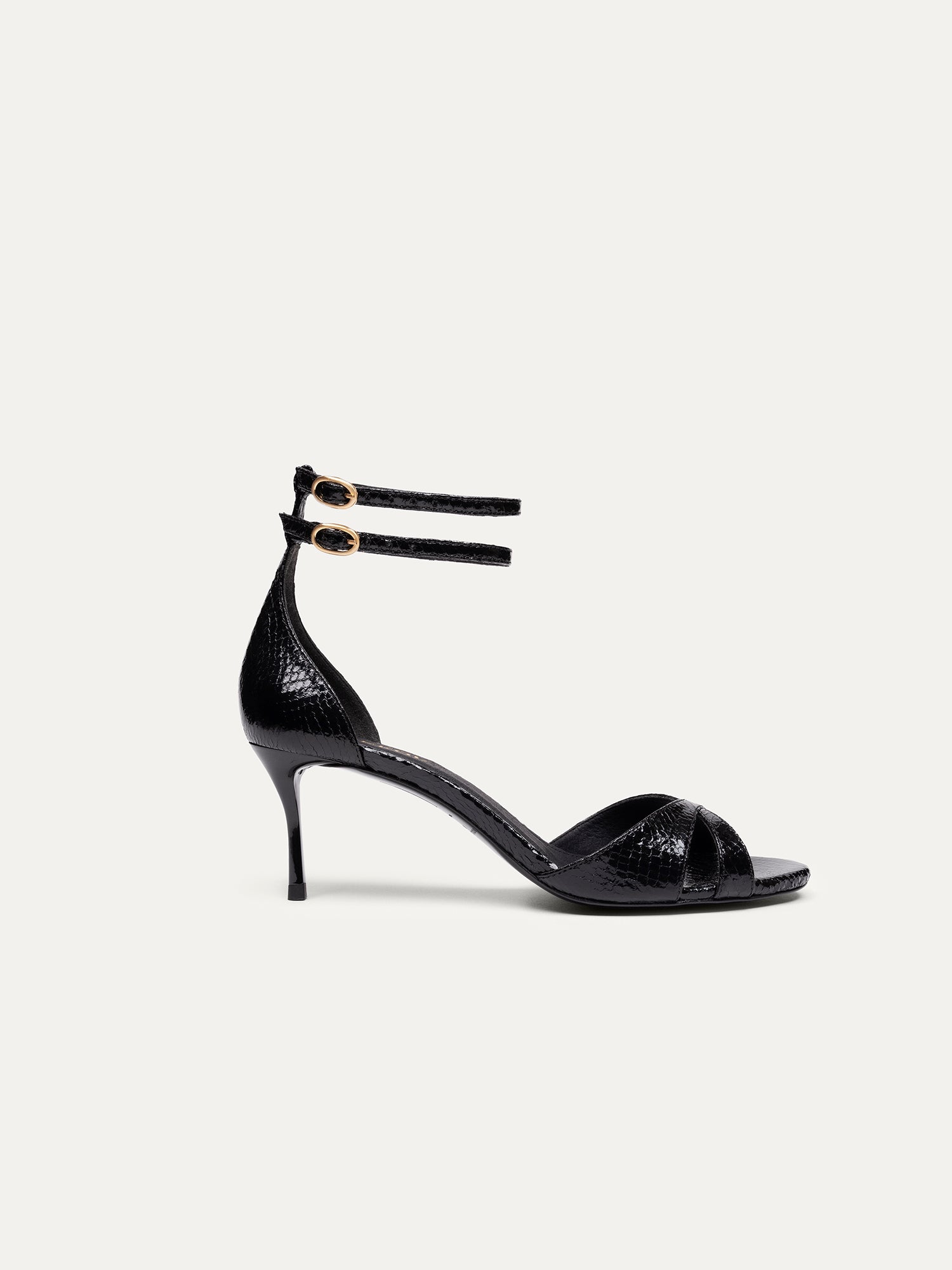
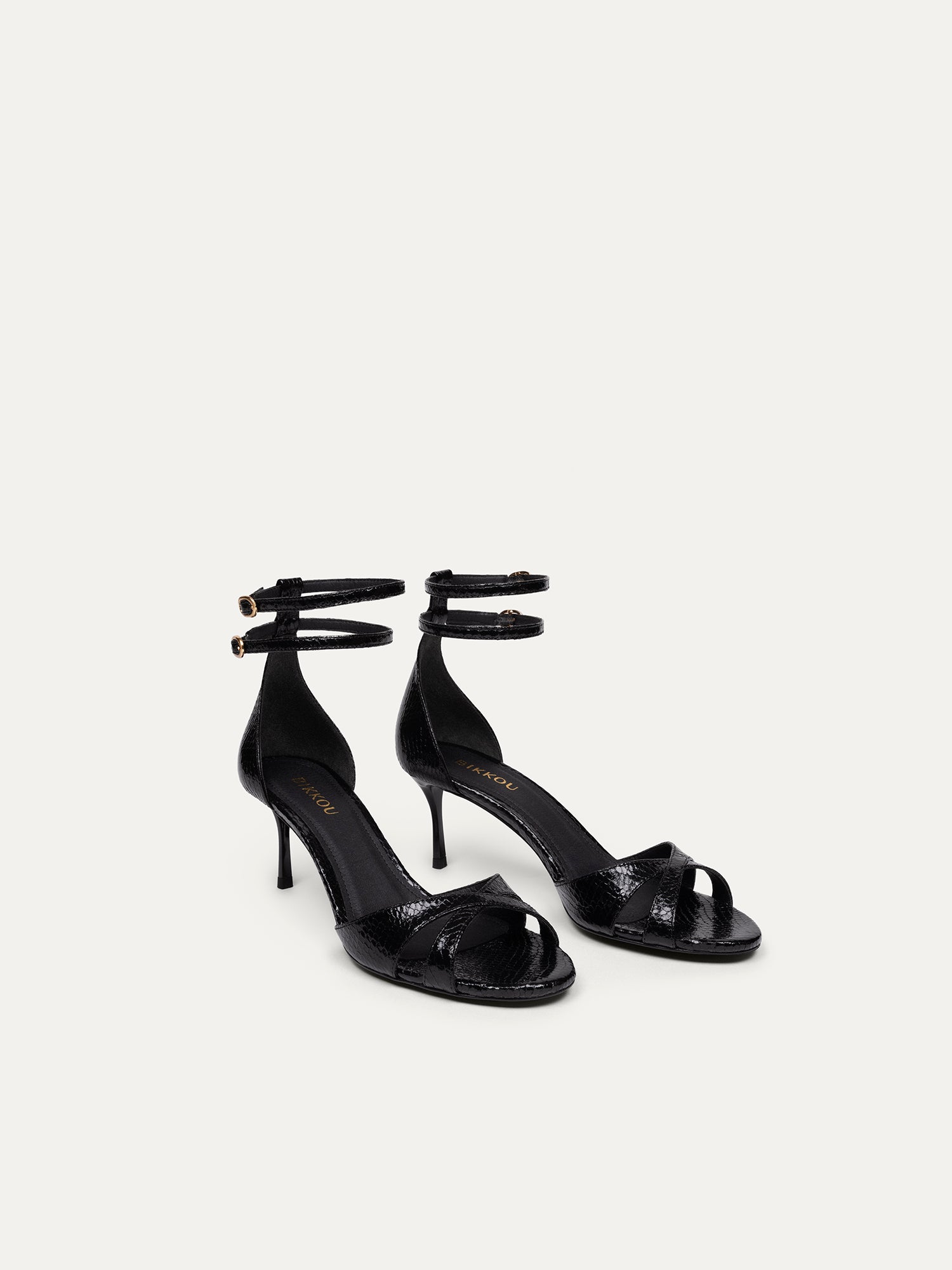

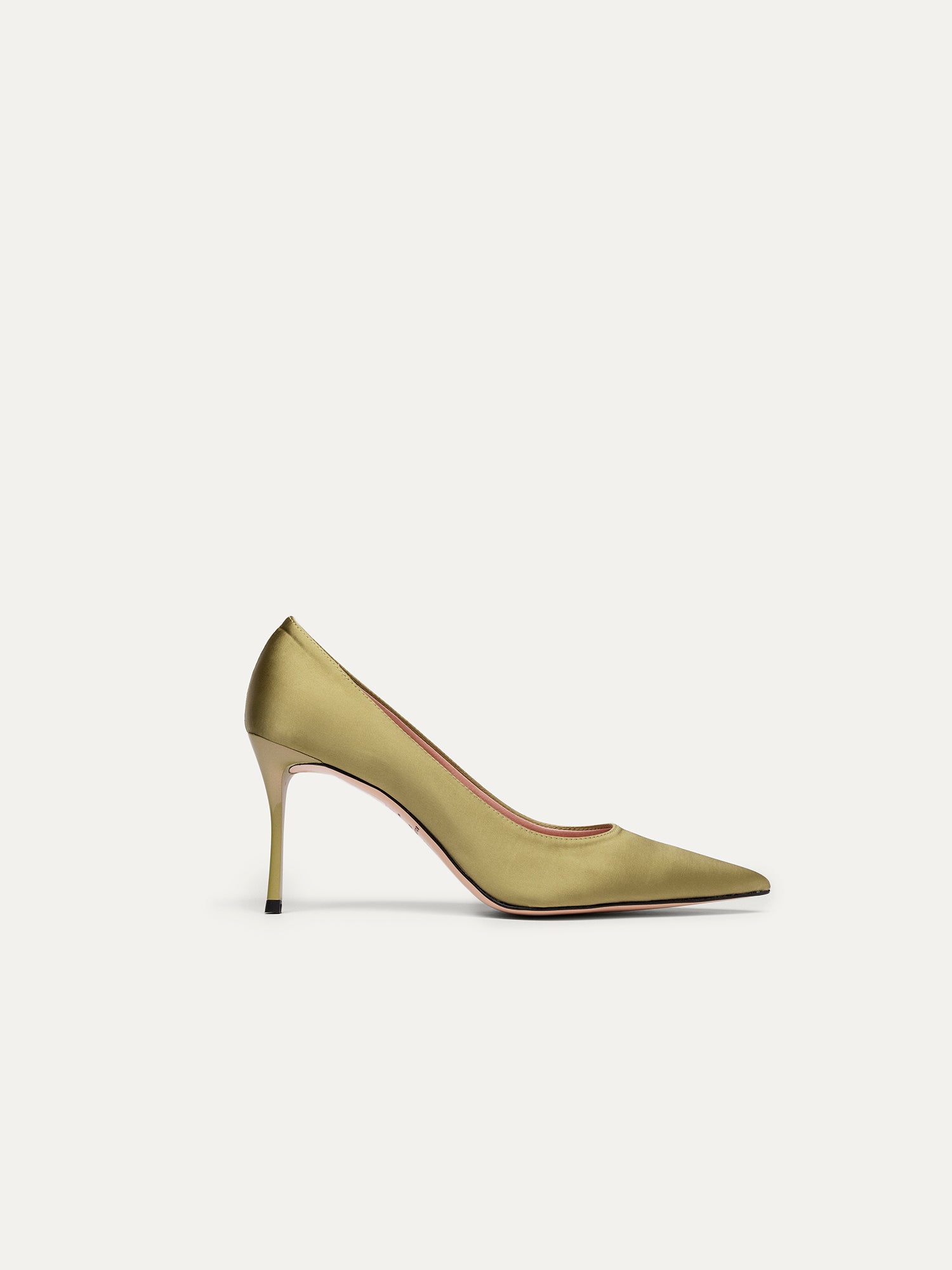
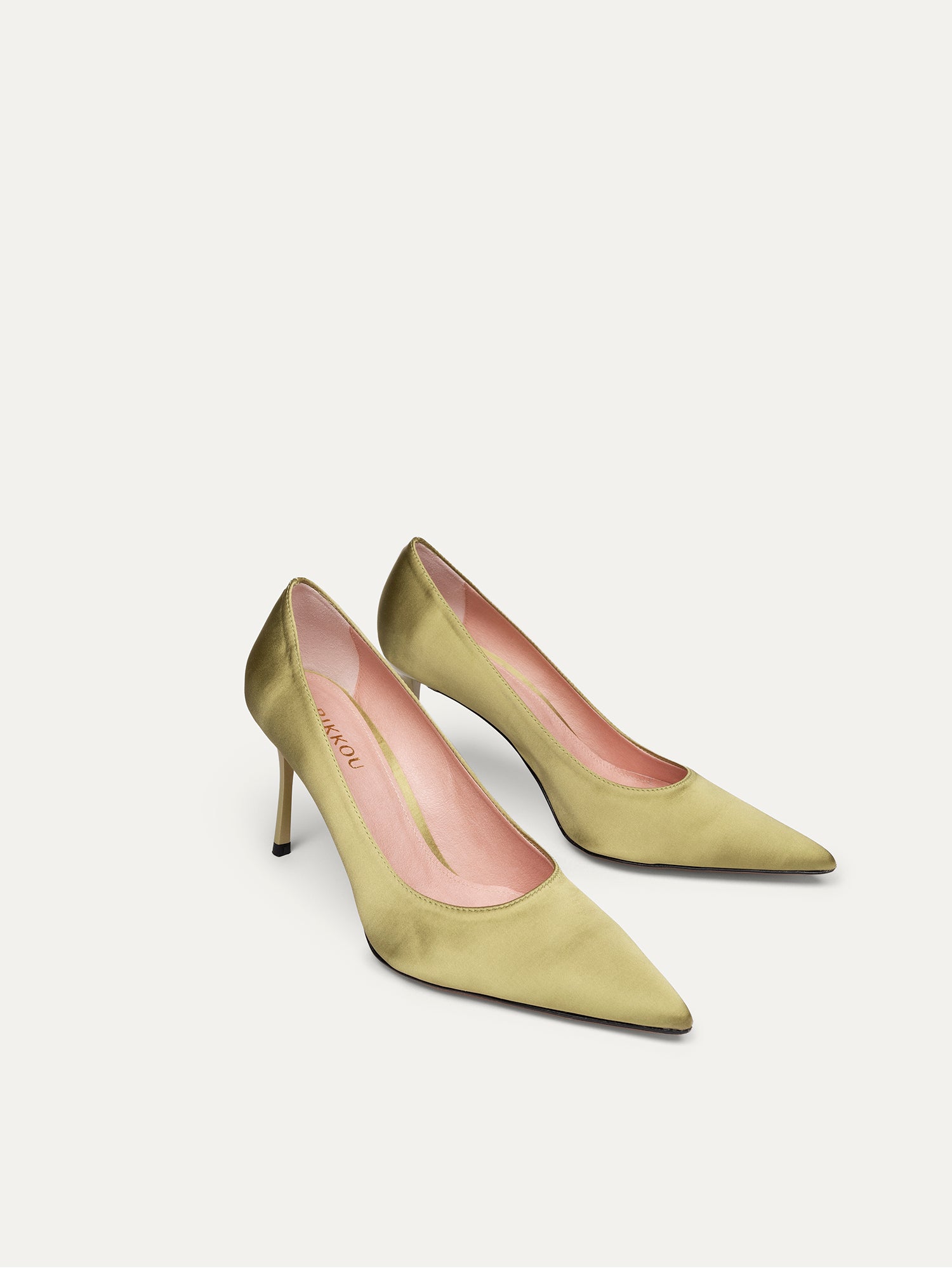
Recycled Textile
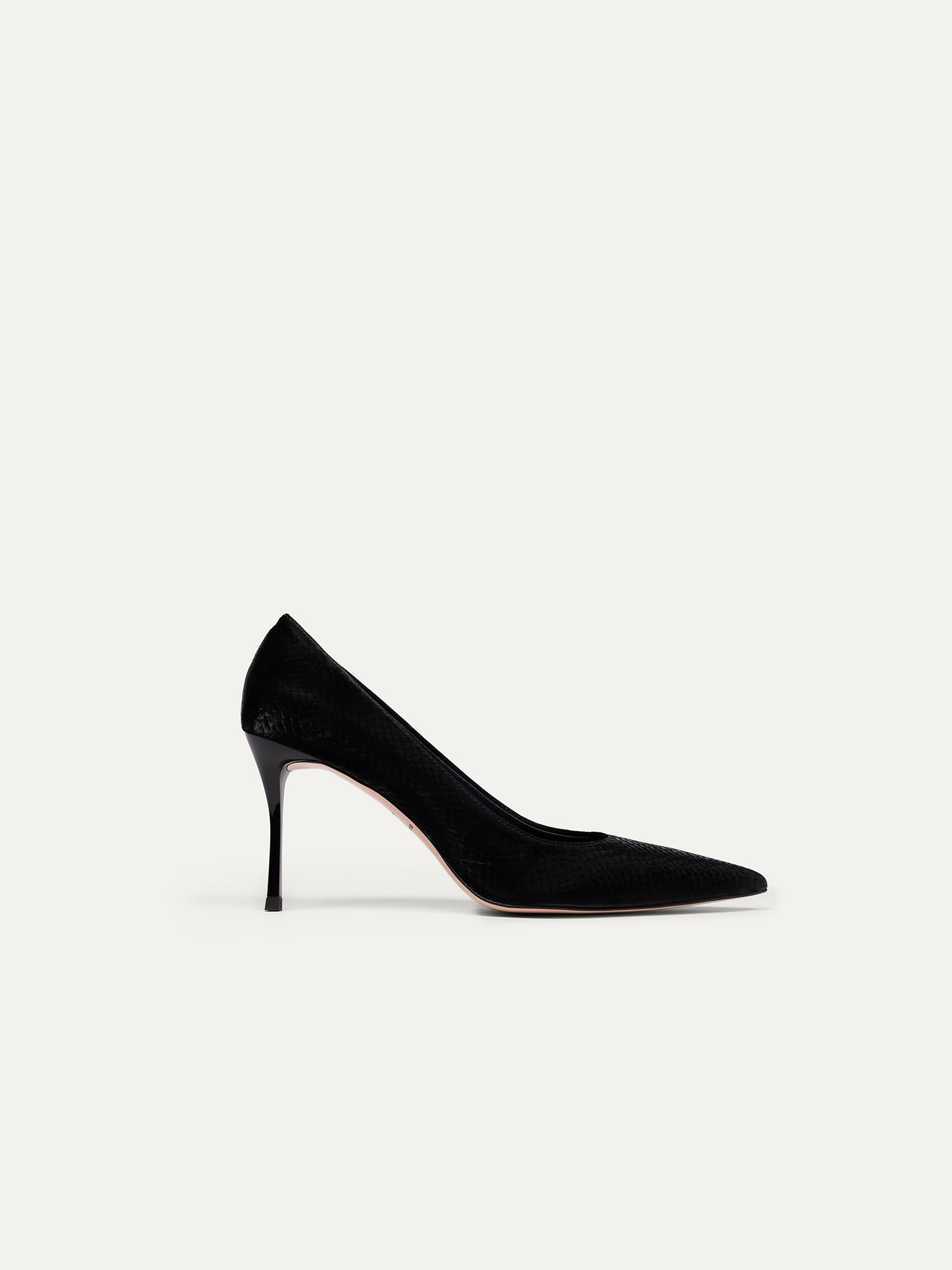
The satin we use is GRS certified, recycled, and composed of 70% cotton, 18% recycled polyester, and 12% polyester. The velvet, on the other hand, is made of 37% recycled microfibers. These materials offer excellent durability as well as a soft and refined finish. Naturally sustainable, they combine comfort, elegance, and practicality for everyday use. By choosing these materials, we give existing resources a second life, thus contributing to waste reduction and responsible innovation.
Recycled Textile
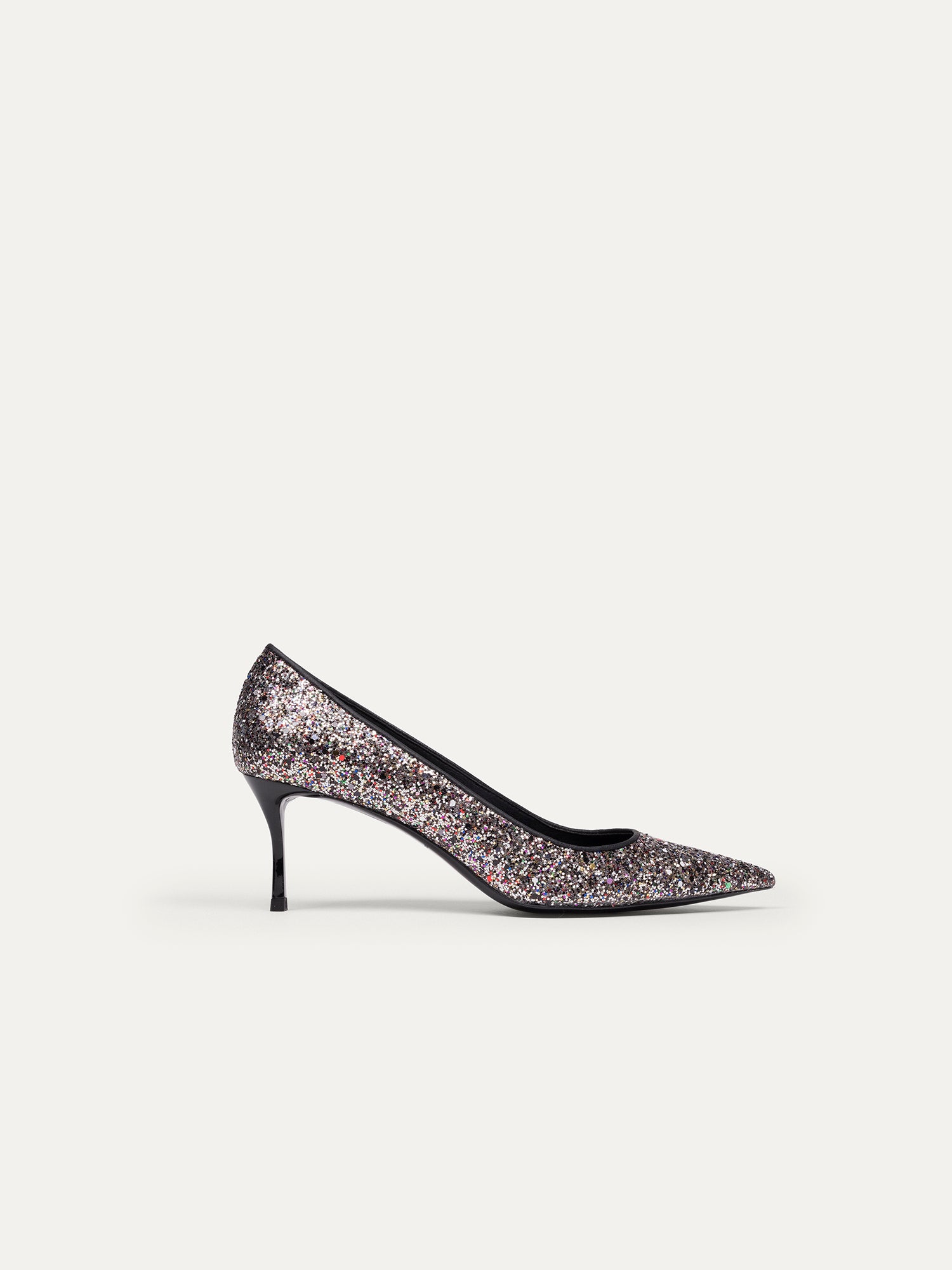
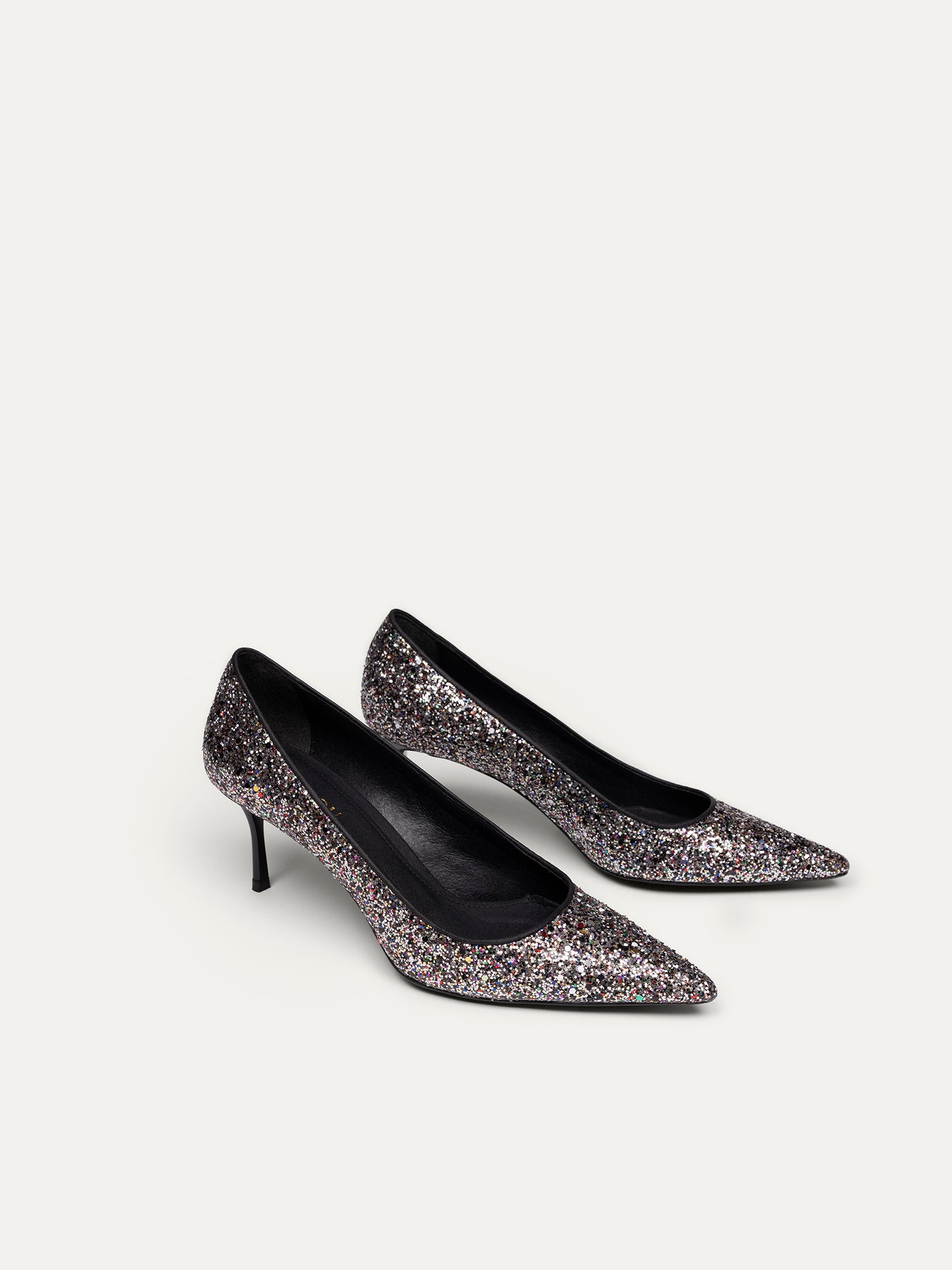
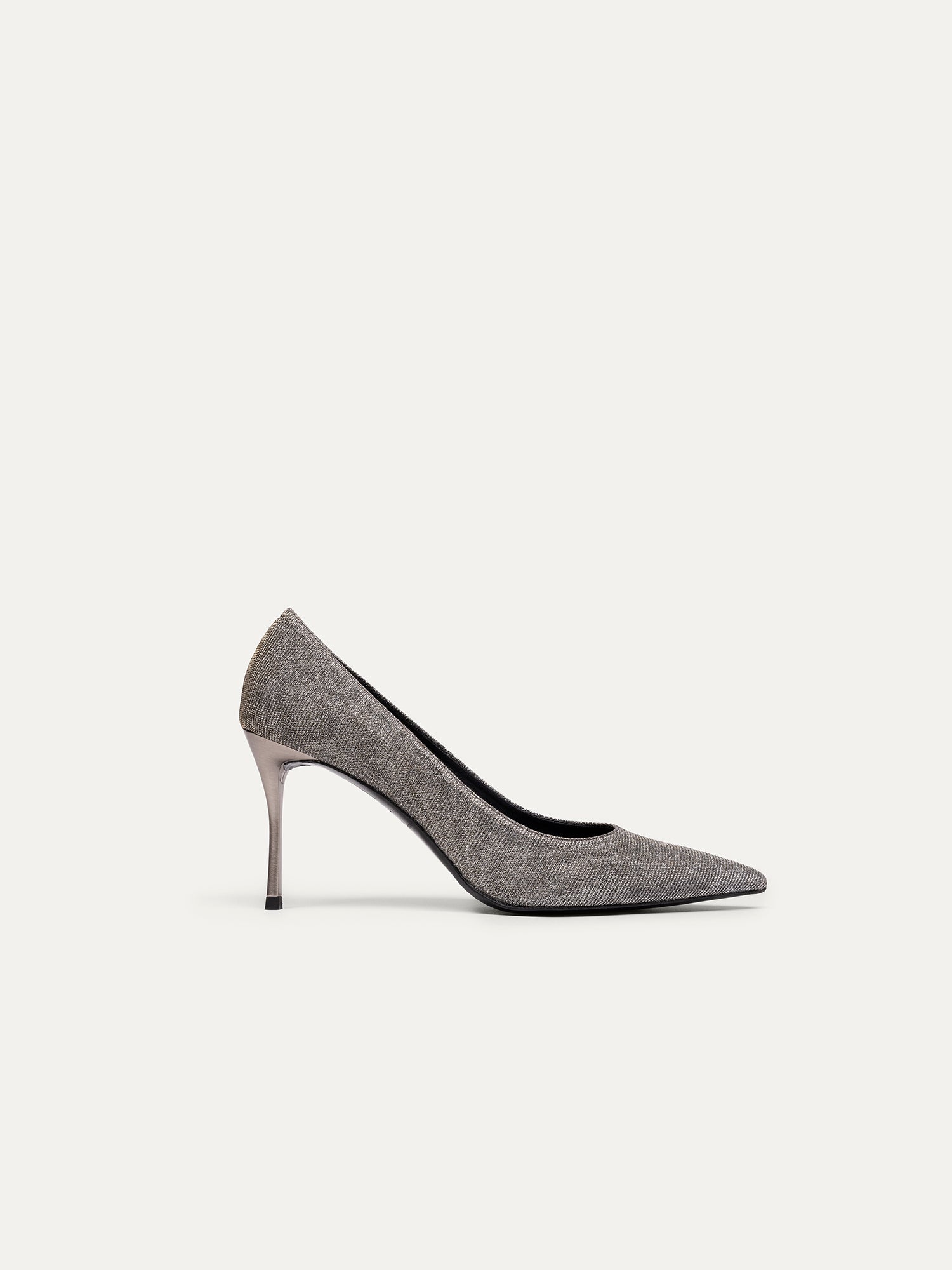
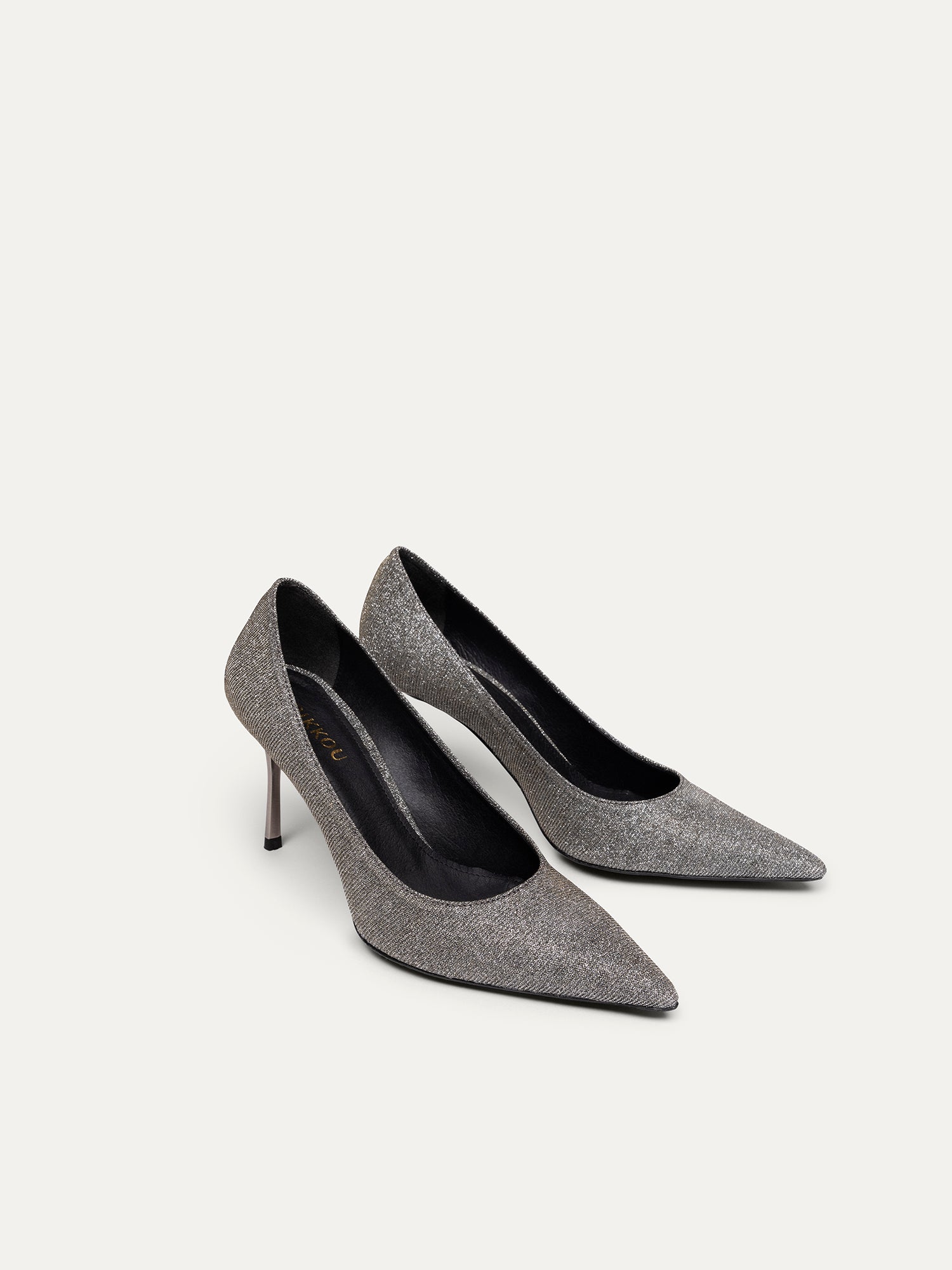

Recycled Glitters
Recycled sequin fabric is made from cotton (48%) combined with recycled PET glitters (52%). The recycled PET comes primarily from recycled bottles and food packaging. New recycling technologies require relatively little energy and allow for the production of excellent quality products with a low carbon footprint.
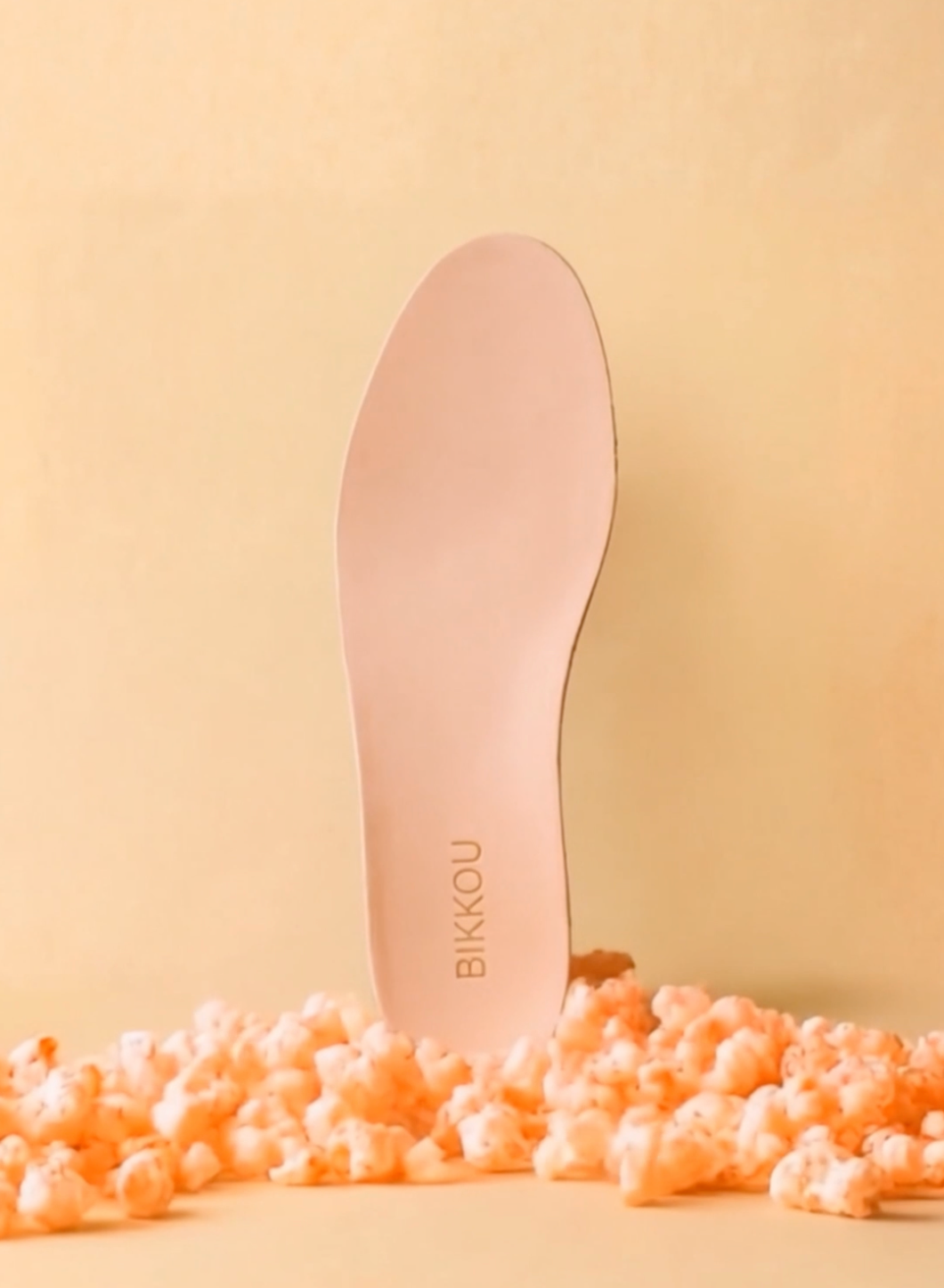
Our Insoles
The majority of our outsoles are made from an innovative biosourced material, composed of a corn-derived polymer and recycled polyester fibers from textile waste. Through a fermentation process using corn starch as a raw material, this technology reduces reliance on fossil resources, and helps reduce greenhouse gas (CO₂) emissions by 63% and energy consumption by 40%. Combining plant-based innovation and the circular economy, this material offers high technical performance while contributing to a more responsible design approach.